

Overview
Situated along the shores of Grenadier Pond and Lake Ontario, sits one of the oldest parks in Toronto.
Known for its many winding trails, Colbourne Lodge and its density of cherry blossoms, the park is known throughout North America as a site to see no matter if you are local or a tourist.
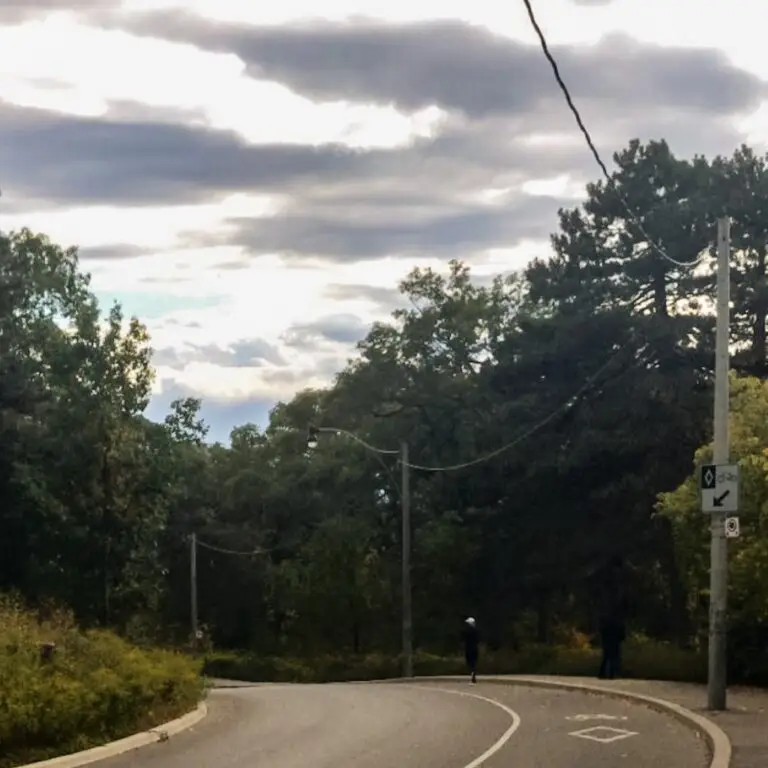
The trail that one will walk with Forest Quest is the longest trail– the Spring Park Road trail which runs from the north to south of the park for about 2 km.
Location
History
The lands encompassing High Park have been used by Indigenous people for thousands of years – the Mississauga’s of the Credit believed that the land that is now High Park is a place of great importance.
Critical for trading paths, the area was an important access point for many Indigenous travellers to go between villages due to its river and lake access (Keefe, n.d).
In 1836, the land was purchased by John Howard, an English settler and professor at Upper Canada College (Kidd, 2014).
There, Howard designed and erected his manor- Colborne Lodge, atop the highest point of his land. Due to this elevation, he called the entire area- “High Park”. (Kidd, 2014).
However, Howard was a fan of green spaces and in 1873, sold much of the land- except for Colborne Lodge to the city as a formal park setting for the City of York (Bain, 2009).
As years went on and Howard and his wife passed away, they left the remaining private part of the property- Colborne Lodge to the city as well to be used as a museum and for whatever else the city needed it for (Kidd, 2014).
Species On Trail
Ecosystems
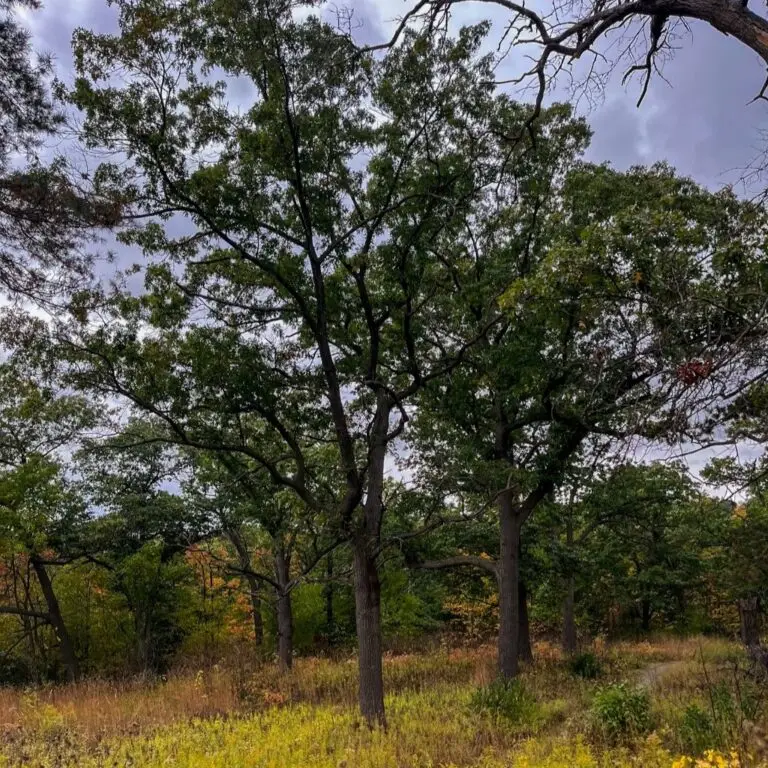
Much of High Park rests on a rare ecosystem called a Black Oak Savannah.
The Savannah used to be taken care of by Indigenous peoples’ who would burn the land in a controlled fire so that the land would open up for various animals and new growth of plants (Keefe, n.d.).
Walking into the park, you will notice much of the surrounding area within the park has remained naturalized since before Howard’s time- as he ensured the lands did not decay. (Bain, 2009).
A Black Oak Savannah is a type of ecosystem where black oaks are the primary tree type within the ecosystem, however, due to the controlled burns, any dead tree or stump is home to various animals, bugs and fungi.
Due to the stewardship, the city has done with the leadership of Indigenous groups, the park has remained mostly intact to the years that the indigenous would travel through, despite the clear signs of development like paved paths and Colborne Lodge (Kidd, 2014).
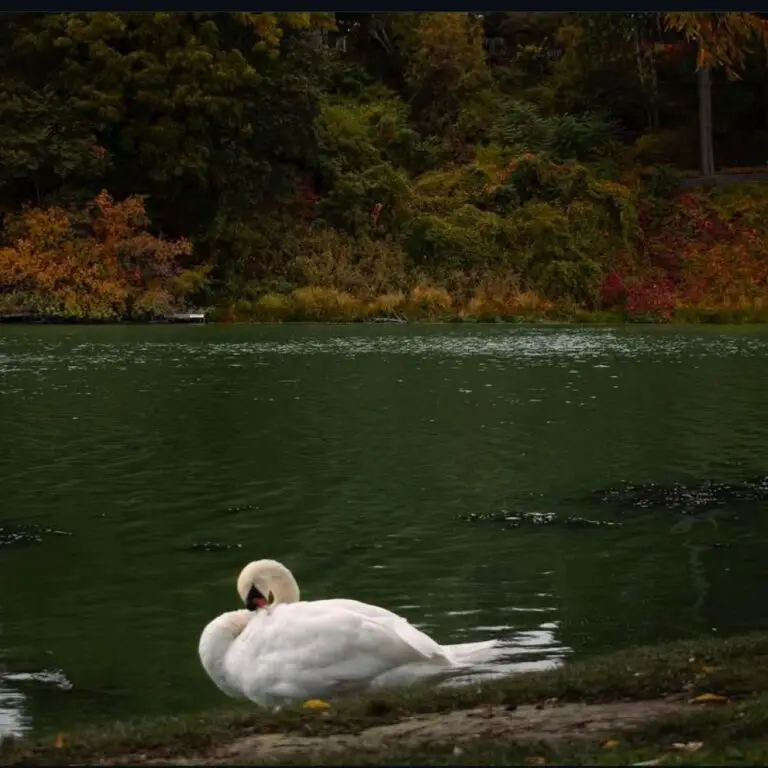
Furthermore, there is also Grenadier Pond to the west of the main path that you will follow, where freshwater fish are and the general geography becomes more hilly as the park slopes downward toward the lake.
Citations
Bain, David. (2009). John Howards’ High Park. Ontario Historical Society. https://doi.org/10.7202/1065672ar
Kidd, Kenneth. (2014). High Park: A Grateful Toronto Thanks Park Founder John G. Howard Once Again. Toronto Star. https://www.thestar.com/news/insight/high-park-a-grateful-toronto-thanks-park-founder-john-g-howard-once-again/article_9071751d-480c-5fc6-bb48-09539db87696.html
Keefe, Kathleen. (n.d.) Indigenous History of High Park. Tkaronto History. https://guides.library.utoronto.ca/Toronto
