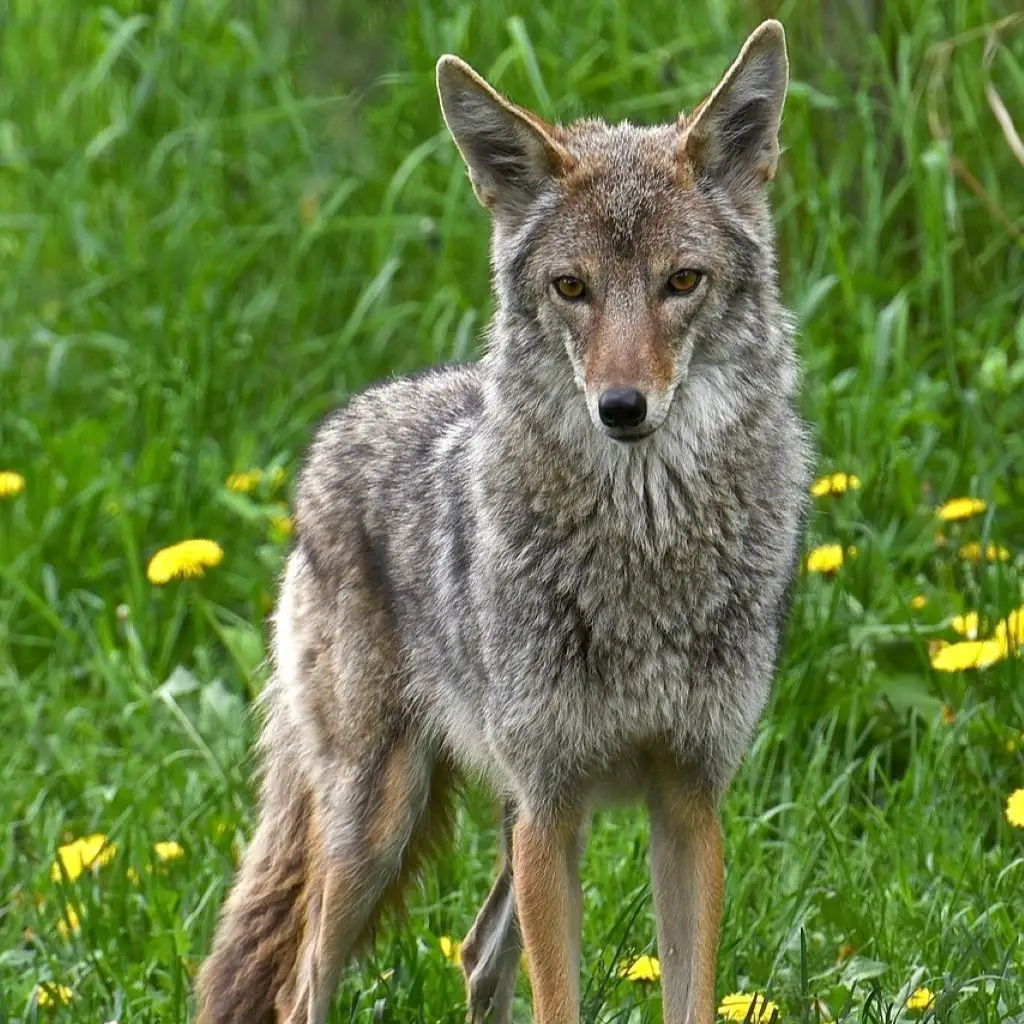
Another newcomer to Ontario, although its populationshave been around for about 100 years now.
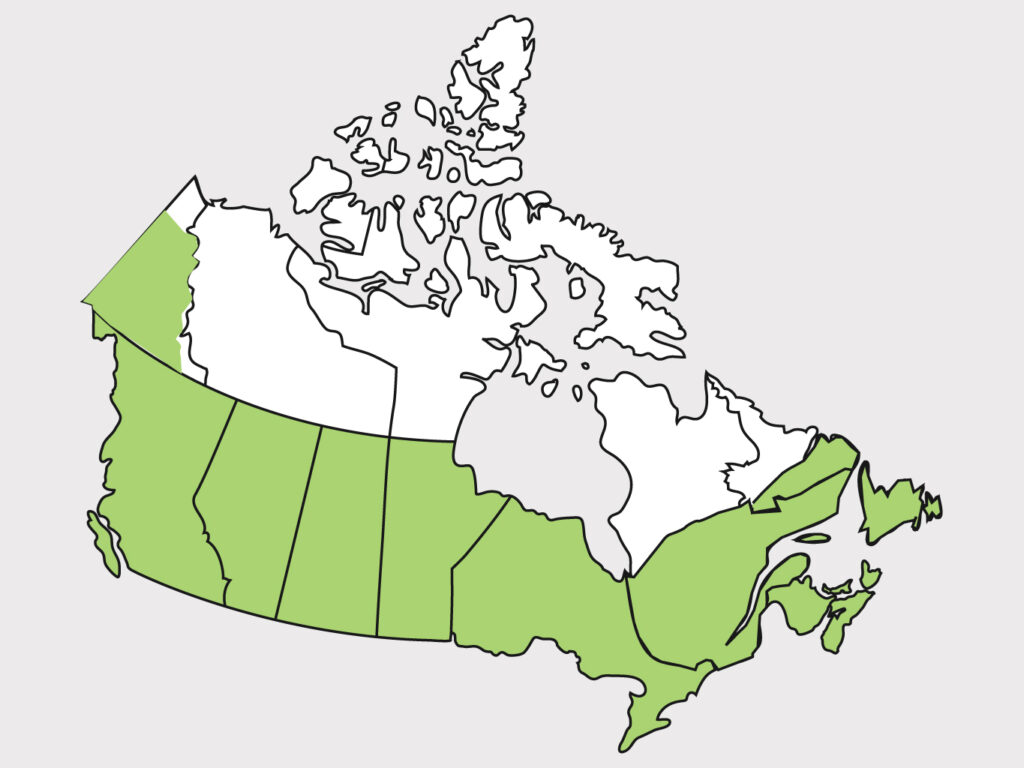
Originally, its natural range could only be found in western Canada from BC to Manitoba but it has been able to introduce itself across the east.
This apex predator fulfills an important role in ecosystems and most conservation authorities consider this species naturalized.
A naturalized species means that it has integrated itself into our ecosystems with little to no detriments to the overall health of the ecosystem.
This species is smaller than a wolf but usually bigger than a medium-sized dog- measuring about 56 cm tall.
The female is considerably smaller at about 38 cm tall.
Coyotes hunt in packs and if you see one, that usually means that there are more close by.
Did You Know?A coyote is highly mobile and can reach 64 km per hour and can also swim very well if the need arises.
This allows them to hunt in a variety of ecosystems.
Although this species is primarily a carnivore (bunnies and rodents are its main food sources), it has also been known to feed on berries when there is nothing else available.
Coyotes are also responsible for keeping deer populations under control.
Although they hunt in packs, that is only when an entire pack is needed to hunt prey like deer or sheep that require ambush tactics.
The Coyote will hunt independently if the prey is smaller and doesn’t need pack tactics.
Habitat
As stated above, the Coyote’s natural range has expanded drastically due to rising temperatures and its ability to cross long distances.
It can now be found in 9/10 provinces and all three territories.
It can also be found as far south as Panama, due to its ability to change the weight of its coat depending on the season.
This species is found in various ecosystems from prairies, cities and forested areas.
Due to its high intelligence, it can adjust itself to be a successful apex predator in most settings.
Found On These ForestQuests
Colonel Samuel Smith Park
High Park
What do to if you come across a Coyote?
A coyote sighting is usually not something to worry about as they are focused on smaller targets.
But they may have targeted and stalked your pet if they are a small dog or cat.
It is recommended to be aware if there is a coyote sighting in any parks or trails as they are found in many places across the city.
There are large packs found in High Park and the Lower Don Valley Parkland.
When you see a Coyote it is best to make sure you do not follow it or get close as it can be threatened by human interactions.