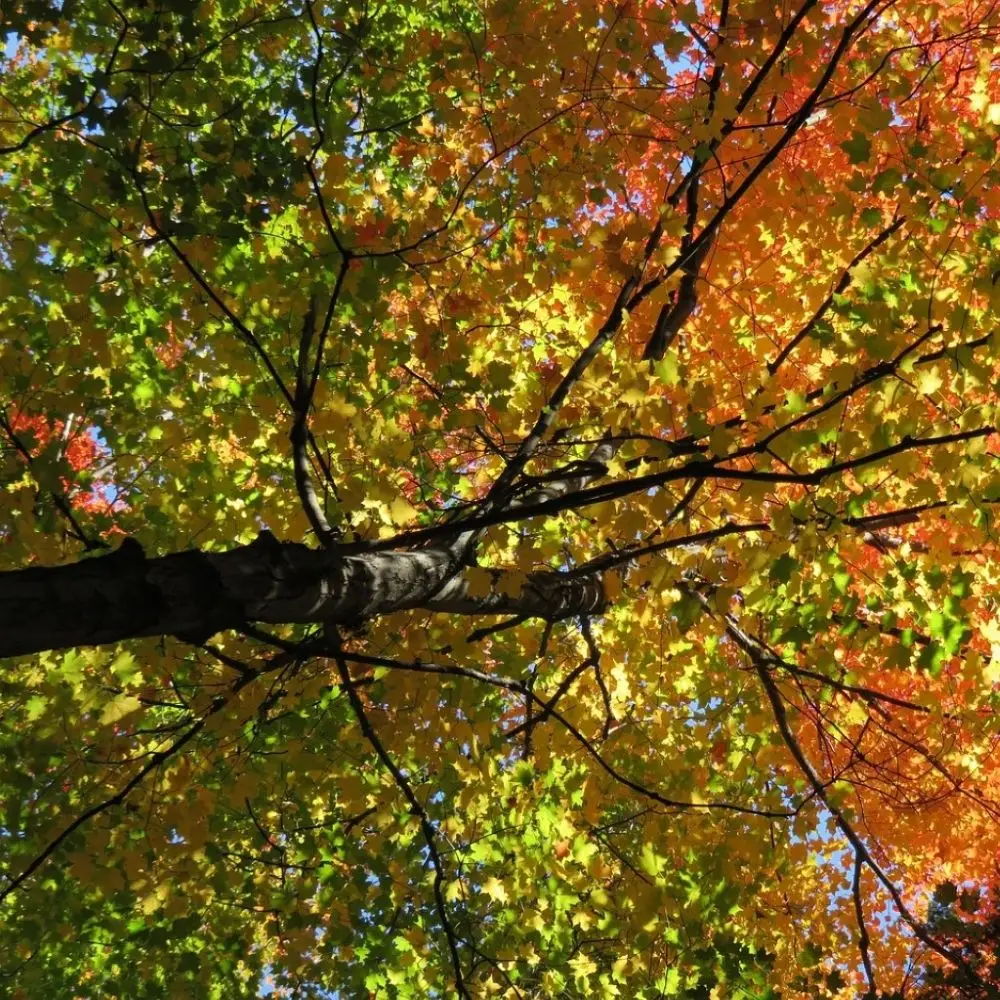
The symbol of Canada itself, the Sugar Maple is known internationally for its ability to produce the sugars required to make maple syrup.
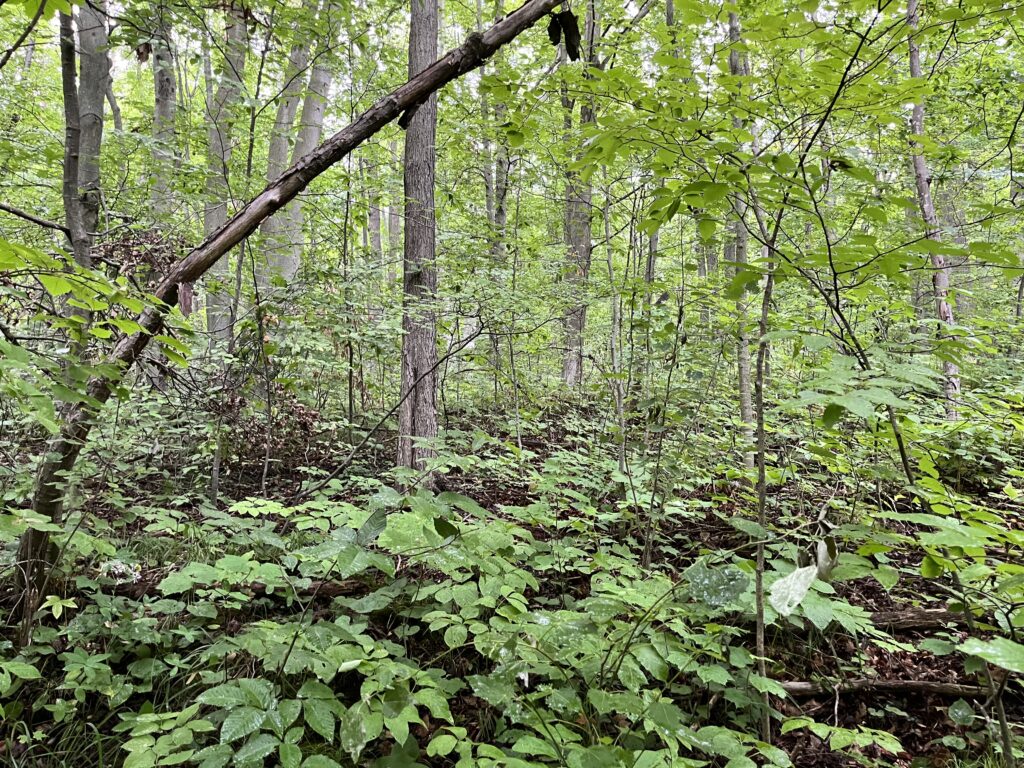
This tree can live up to 200 years old and is often found in forests with rich nutrients within their soil content.
Did You Know?: Fallen leaves help enrich soil content by reducing soil acidity and bringing more minerals into the soil.
Furthermore, this tree is large as its’ average mature height is around 35 metres high, and its trunk is 90cm in diameter.
Due to their size, sugar maples are not only used for the maple industry but can also be found in cities and restoration areas due to their ability to shade large areas.
Habitats
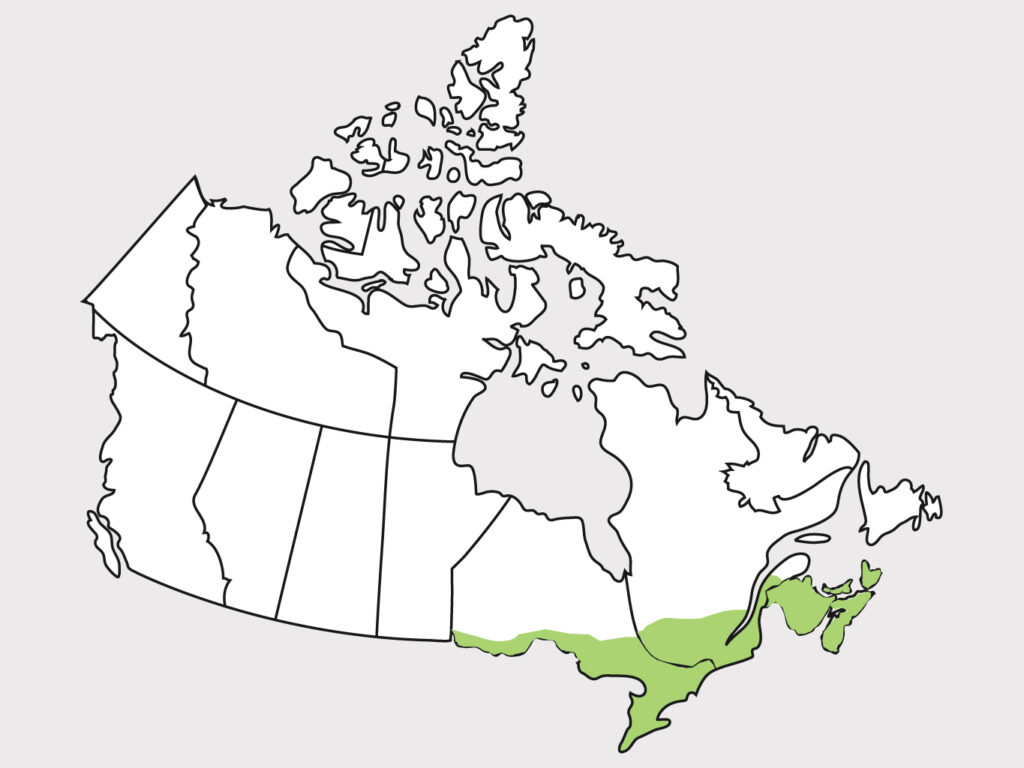
The sugar maple, specifically Acer Saccharum can only be found in the eastern portion of Canada. From the west portion of Northern Ontario to the eastern tip of Nova Scotia in the east.
However, due to this tree being a deciduous tree, the colder it gets, the less likely you are to find this tree meaning that you won’t see this tree anywhere north of Thunder Bay or the tundra regions of these provinces.
The main factor in the successful growth of Sugar Maples in these areas is the low lime content within the soil.
Found On These ForestQuests:
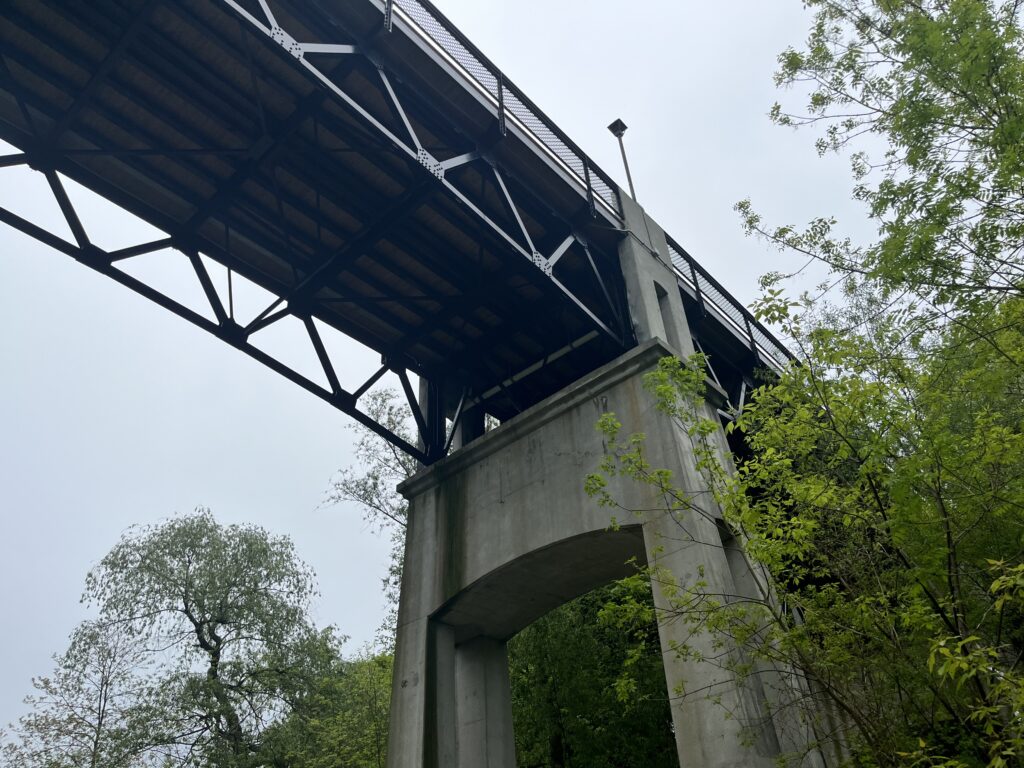
Cedarvale Trail
Lower Donlands Park
Threats
Due to this tree requiring specific conditions in soil content and climate, climate change is one of the biggest threats for this species as too harsh a winter can easily this tree.
Other threats to this tree include habitat loss, root rot, and several insects that destroy the tree from the inside out.
The most prolific threat is the Sugar Maple Borer, a type of beetle that bores into the tree and saps it of its nutrients.