Have you ever walked through a forested area, a public garden or even your backyard and found a strange web-like structure that seems to have consumed an entire tree or shrub?
Unfortunately, that plant may be too far gone to save it as it has become infested with Spongy Moth Caterpillars.
This invasive species from Eurasia infests local green spaces and overloads the host plant with stress by eating all of thegreenofit.
This kills the plant 100% of the time and makes other plants susceptible to further infestations.
Did you know? Once a plant becomes infected, the only action permitted is a professionally controlled burn of the entire area.
Once the caterpillar has eaten as much as it can, it will consume its siblings for further nourishment.
Then they enter the cocoon phase where the caterpillars seem to disappear from the silk web- instead, they have wrapped themselves up with it.
The moth itself is unable to feed and loses its mouth in the process of this transformation. All of that nourishment that it fed on as a caterpillar will be its only energy source until it dies.
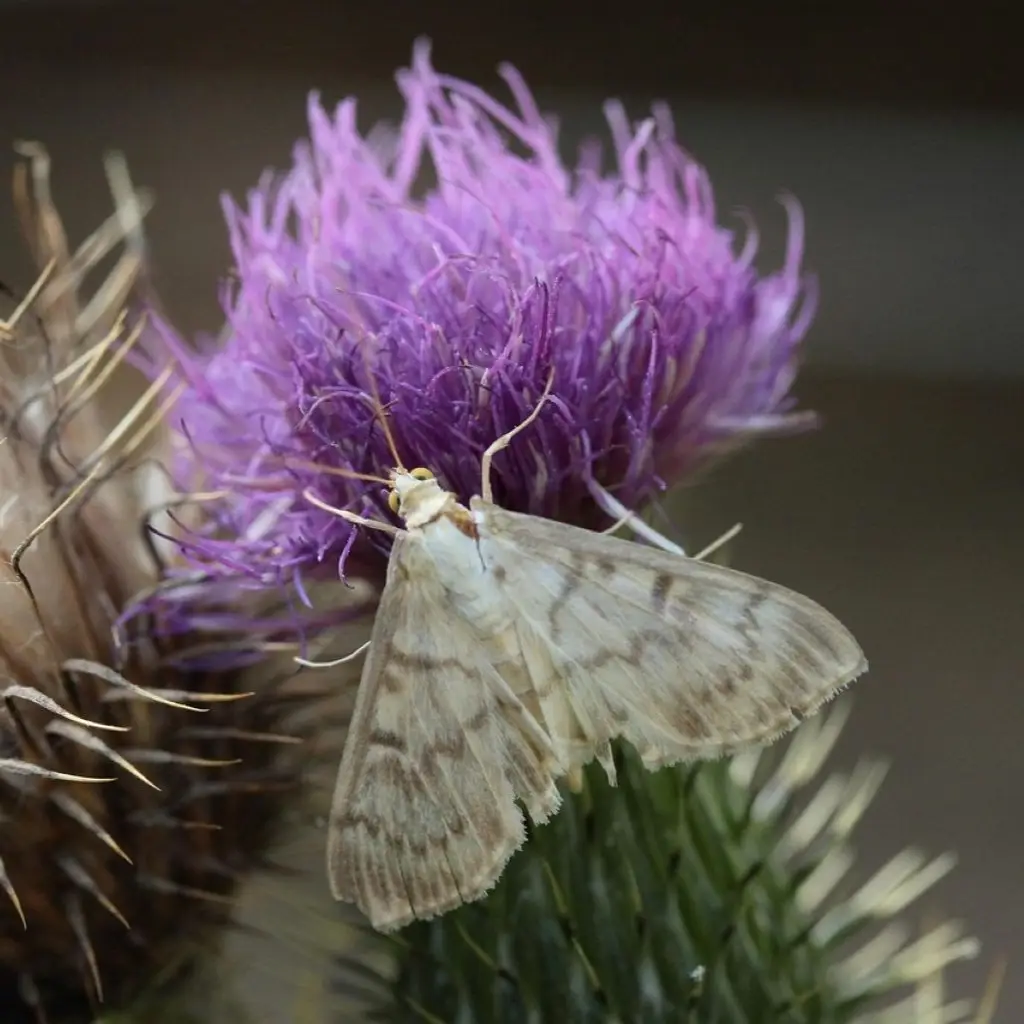
The moth is a dull grey colour with darker grey lines going across the wings. It is unassuming and many people mistake this moth for native species due to its lack of unique characteristics.
Habitat
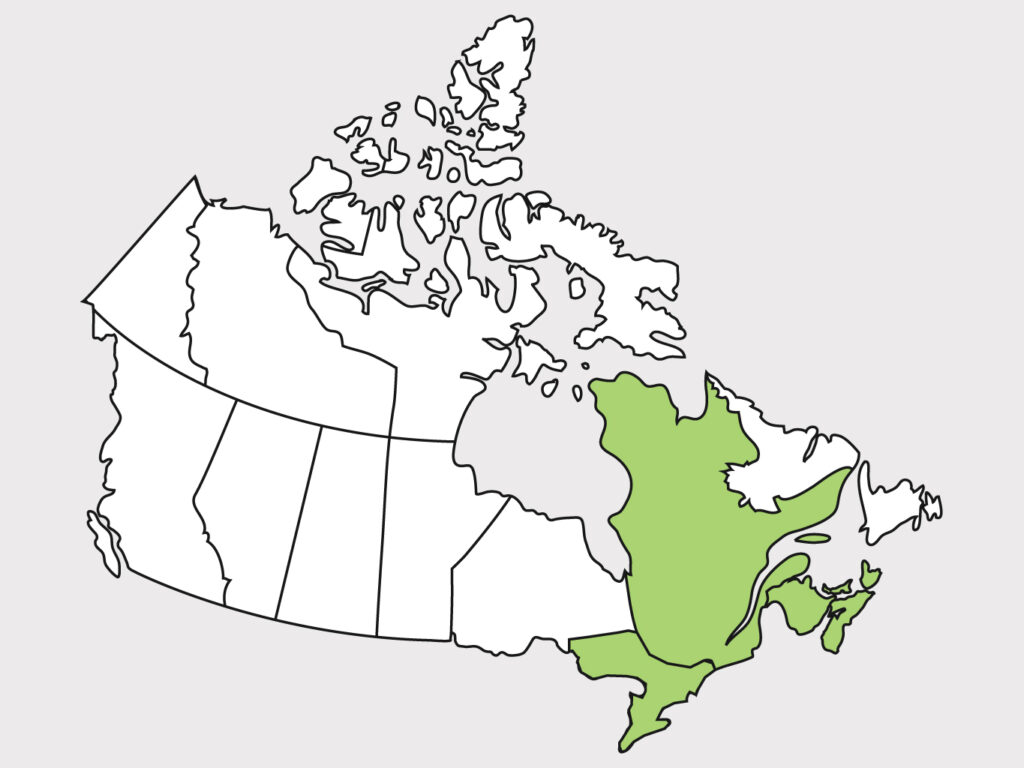
The Spongy Moth hates the cold and will migrate further south if they come out of their cocoon closer to early fall.
When they do this, there may be a year or two before a new Spongy Moth infestation begins in Ontario, however, conservation authorities between Canada, the US and Mexico track these migrating populations to warn each other of impending infestation spikes.
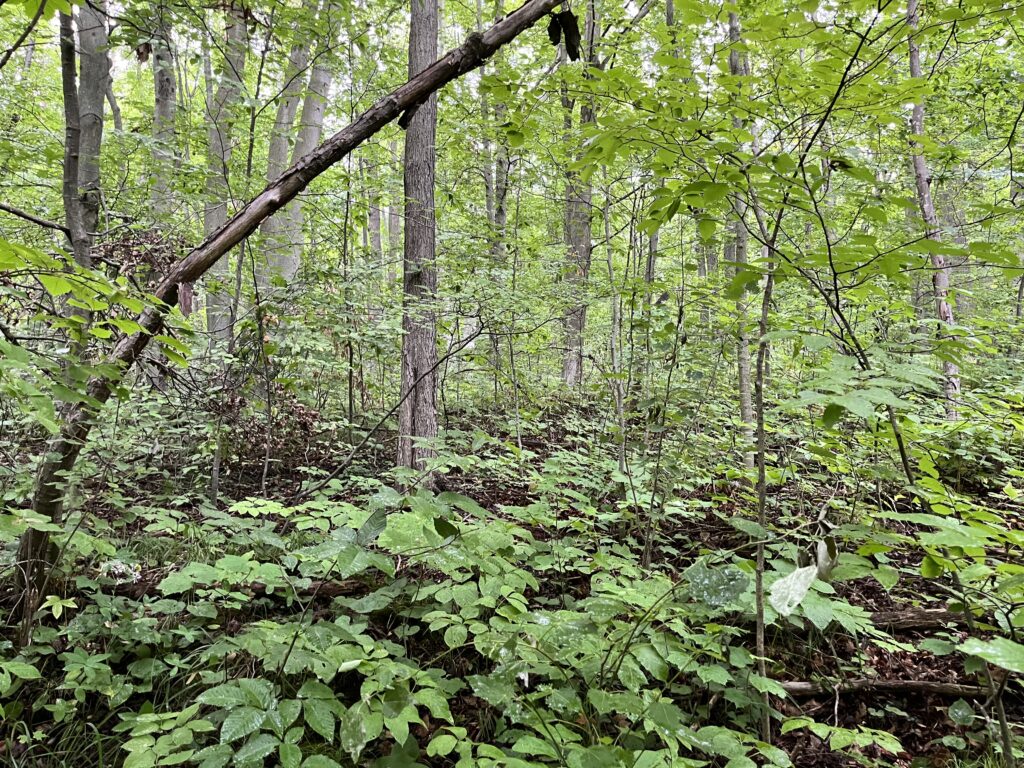
Found On These ForestQuests
Lower Donlands Park
Toronto Islands Lakeshore Trail
What to do if you see a Spongy Moth?
If you see the moth form or the caterpillars in their silk web, it is advised to contact the city you live immediately to let them know of the infestation.
Entire ecosystems have been destroyed due to his moth and it is a high priority for conservation authorities in this province to stop its spread.
Usually, they will go into the affected area and create a controlled burn of the infected plants that will kill the host plant and the caterpillars inside.
Doing so will lessen the chance of more infections occurring in the area.