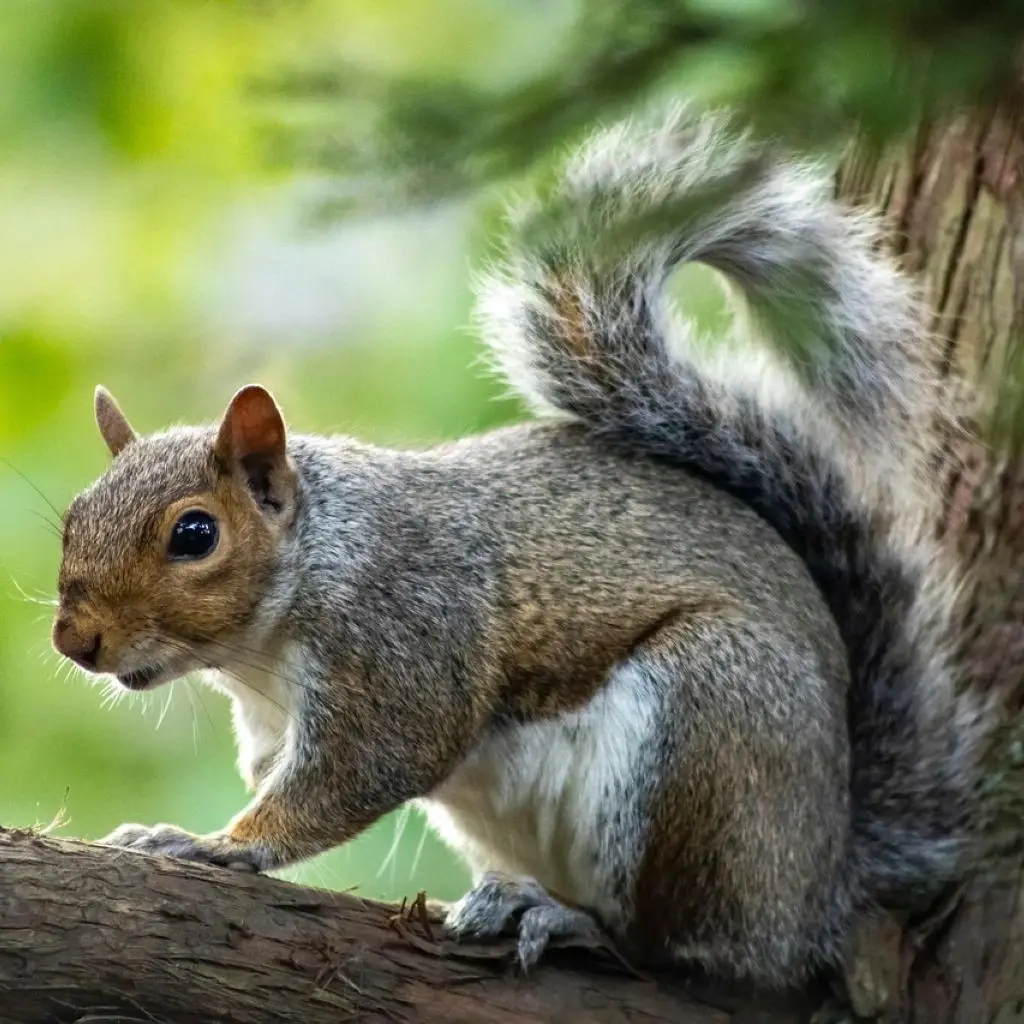
No matter if you are in an urban, suburban, or rural setting, one thing is constant: there will be squirrels.
However, these little rodents are more than just pests you see scurrying around and sometimes getting into our attics.
Grey Squirrels help conservation authorities with their ability to restore hardwood forests due to forgetting a majority of seeds that they bury in the ground.
This helpful habit has made it clear to many conservation and park authorities that grey squirrels have a significant impact on forests. They have been introduced to places where they do not typically occur.
Did you know? Grey Squirrels come in two distinct colours- Grey and Black. The darker colouration occurs in colder climates like Ontario and Quebec.
The greyish colour is more common in the warmer climates like the southern USA.
Grey Squirrels are extremely efficient at collecting nuts and tend to over-pick seeds, more so than other squirrels like the Red Squirrel.
This has caused other squirrel populations to diminish when Grey Squirrels are introduced.
Habitat
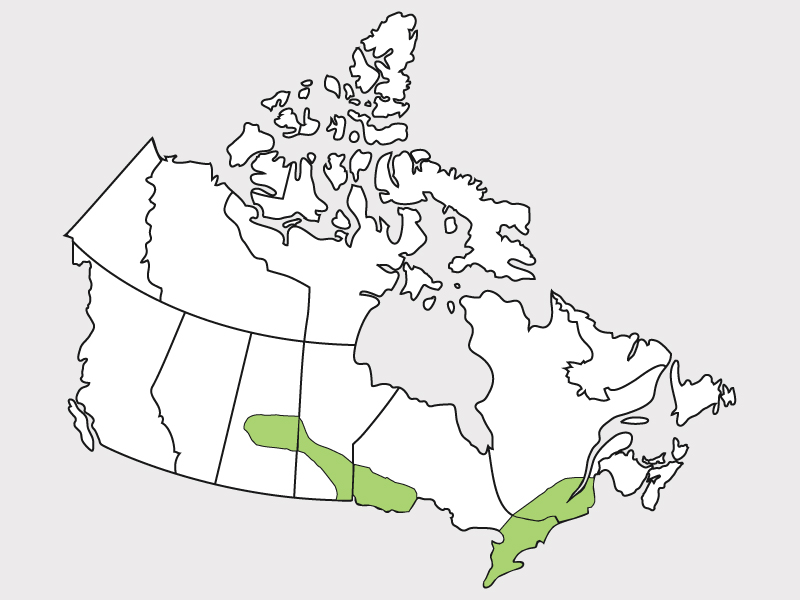
The Eastern Grey Squirrel has a large range and can survive in various ecosystems.
Due to this, The Eastern Grey Squirrel has been able to thrive in any new environment it is introduced to.
This is to the benefit and detriment of the local ecosystems due to its higher food load than squirrels.
Its natural range includes Ontario and Quebec and goes as far south as southern Florida.
They were introduced to many cities in Canada including Calgary, and Edmonton and there is a large population in Stanley Park in Vancouver.
Found On These ForestQuests
Cedarvale Park
Lower Donlands Park
Threats
The Eastern Grey Squirrel is a prey species for many animals in the food chain. Due to their general abundance, the squirrel has many natural enemies.
Predators include red foxes, owls and even fish-like pike. These fish are known to swallow Squirrels when they fall into the water.
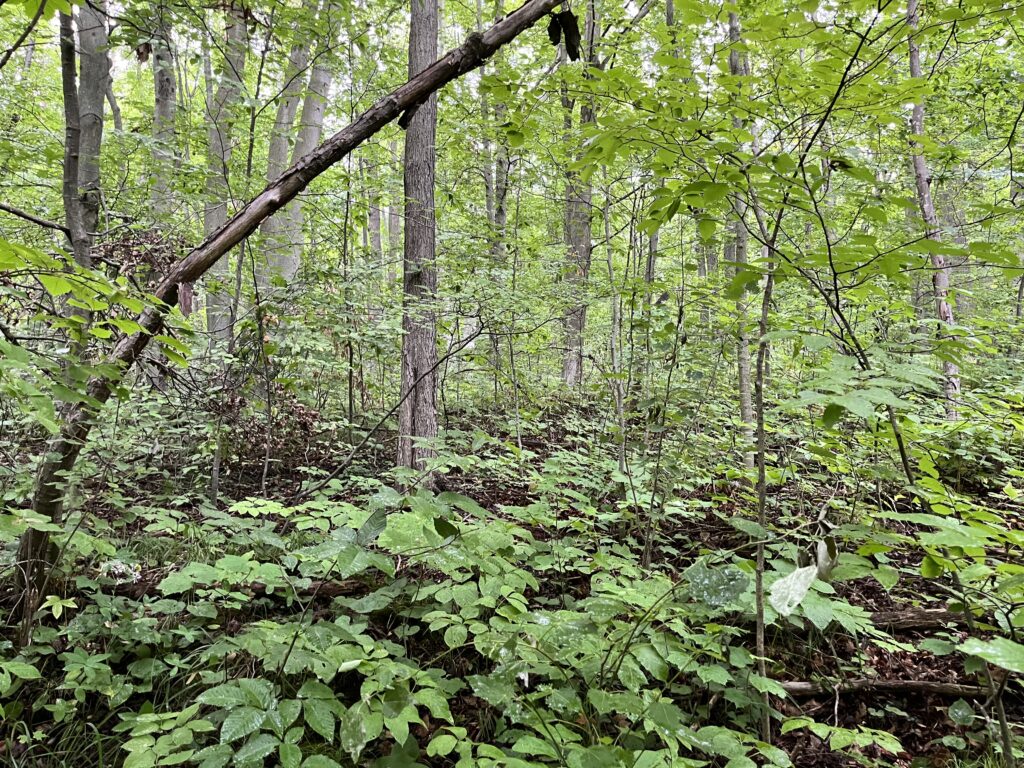
Due to their heavy reliance on trees, if their inhabited area suddenly lacks suitable tree cover- the squirrel populations are also known to suffer.
When squirrels lose their trees and main food source, populations diminish rapidly because they become more unable to fight off parasites and infection.