Overview

One of the largest distributed animals across North America is the White-Tailed Deer, with huge populations to match.


The White-Tailed Deer is native to Ontario however it can also be a nuisance if population numbers are not kept up.


This is due to deer requiring a steady stream of leaves and greens to grow healthy.


If a deer population overwhelms a forest area, it may cause that ecosystem to die off due to the need for greens outweighing what is available.


You wouldn’t think these deer would eat that much considering they are the smallest deer species found in North America.

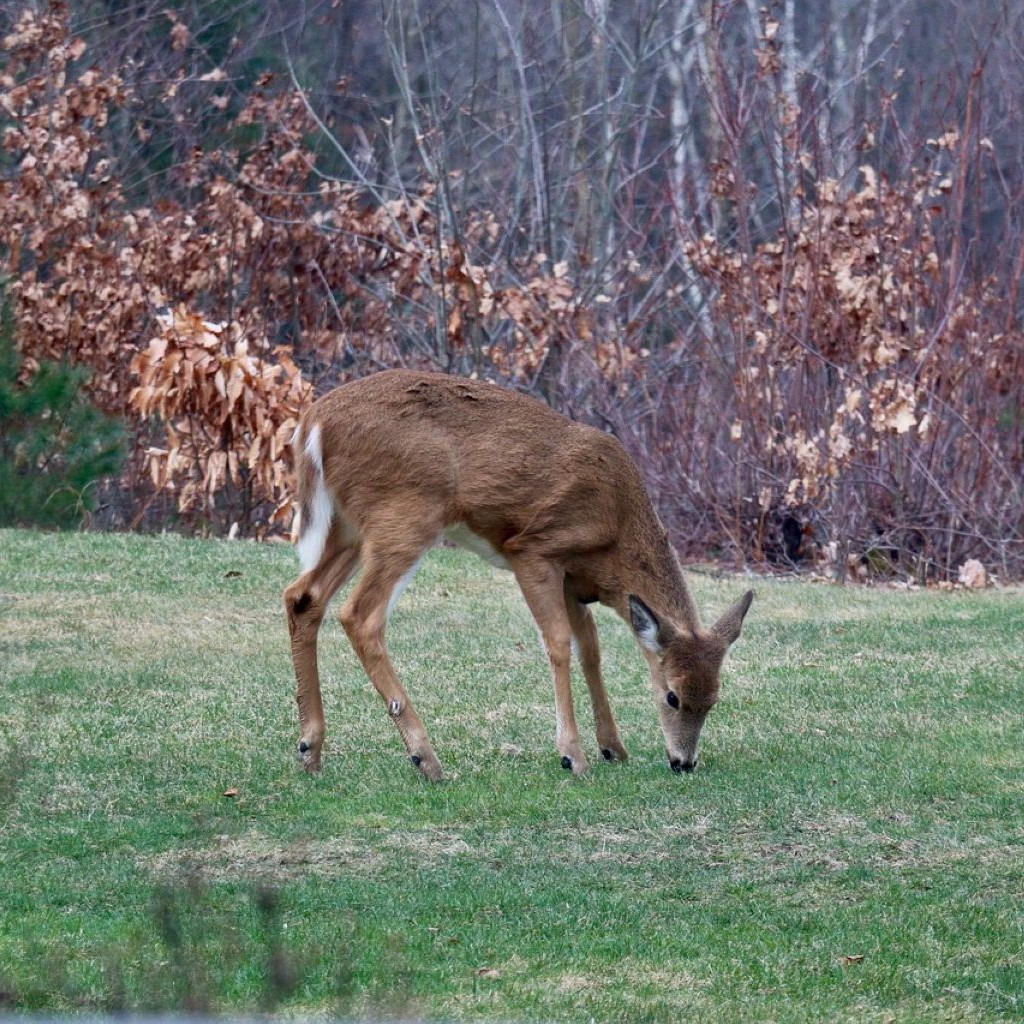
They can grow up to 7 inches tall and their most recognizable feature is their white tail and reddish brown fur.


Despite being well equipped for winter survival, their constant need for food makes it hard for large populations to survive if there is not enough of it to make it through the winter.


Did you know? Governments have agencies assigned to tracking and maintaining healthy deer populations so forests do not become overwhelmed.


A buck will usually start growing antlers early spring and keep them until the end of fall when they fall off, while a doe will never grow antlers.


Deer can jump high and run fast at 30 mph, however, their young are susceptible to coyotes and bobcats due to not being able to walk properly.

Habitat

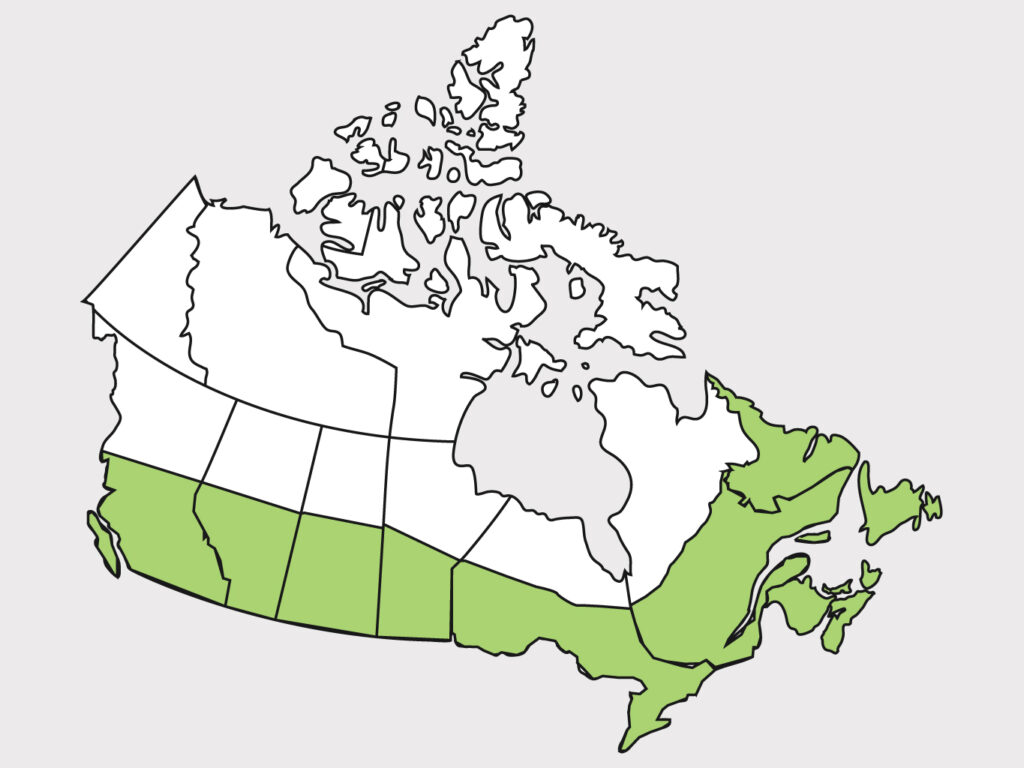
White Tailed Deer are found in every province within Canada and goes as far south as southern Mexico.


This deer also shares a lot of its habitats with the western Black-Tailed Deer and they have also been known to copulate.


However, the offspring are always infertile, and unable to thrive.


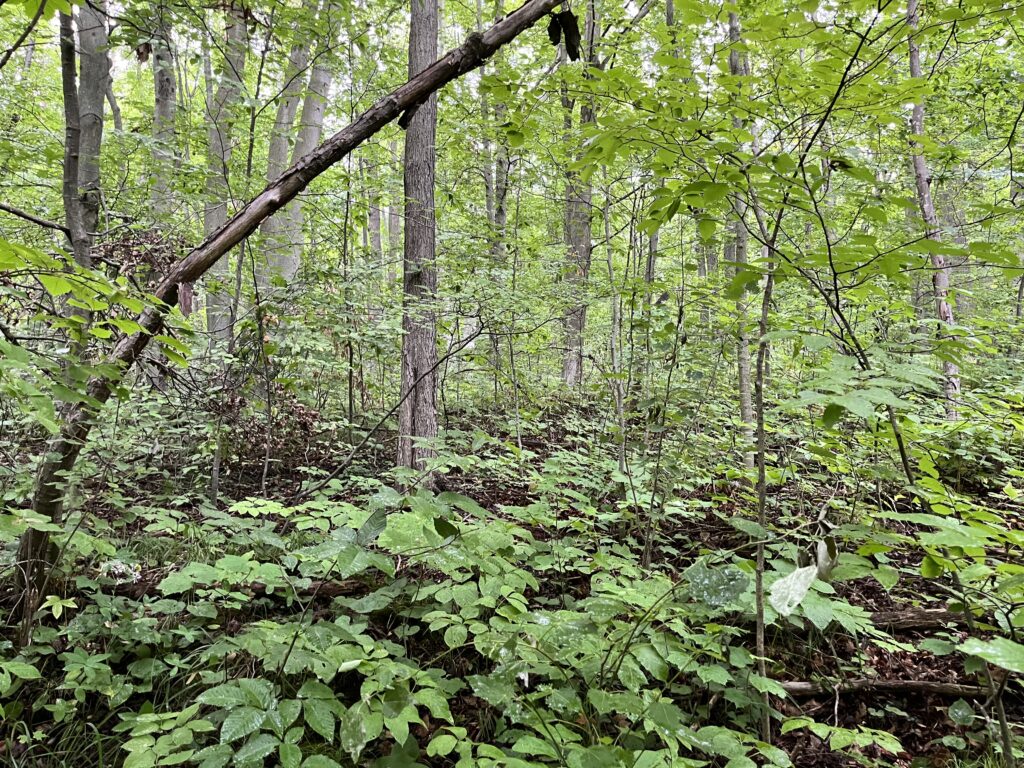
Due to its herbivore diet, you will mainly find these deer in densely wooded areas.

It is very skittish around humans and other animals and will try not to direct attention to itself by freezing in place.

High Park
Humber Arboretum
Lower Donlands Park

Threats


The funny thing about White-Tailed Deer is that the main threat they face is themselves.


Unfortunately, this species does not know how to conserve the greens that it needs to survive and so it can wipe its population out just by existing and overpopulating an area.


Other threats include disease, as wasting disease seems constant throughout deer populations.


If you find a deer that seems to have lesions on its body and is unnaturally thin- do not approach it.


As wasting disease can transmit itself through air particles through pooping.


Another worrying trend is the sudden increase in Prion-related deaths which are infectious proteins that get into their bloodstream through drinking water or being in the area of other infected individuals.


Finally, as a prey species, it is prone to being hunted by predators like coyotes and their young can even be hunted by Hawks and owls.


Humans also hunt deer to maintain populations and – back in the day- were hunted for their pelts.


Sources:


https://www.hww.ca/wildlife/mammals/white-tailed-deer/


https://www.nationalgeographic.com/animals/mammals/facts/white-tailed-deer


https://www.env.gov.bc.ca/wld/documents/whttail.pdf


https://www.nps.gov/bith/learn/nature/white-tailed-deer.htm


https://www.ontario.ca/page/white-tailed-deer-population-objective-setting-and-harvest-management-guidelines


https://www.amnh.org/exhibitions/permanent/north-american-mammals/white-tailed-deer


https://naturecanada.ca/discover-nature/land-wildlife/deer-of-canada/