Overview

This 250-acre area is a partnership between Humber College, the City of Toronto and the Toronto Regional Conservation Authority (Humber College, 2024).

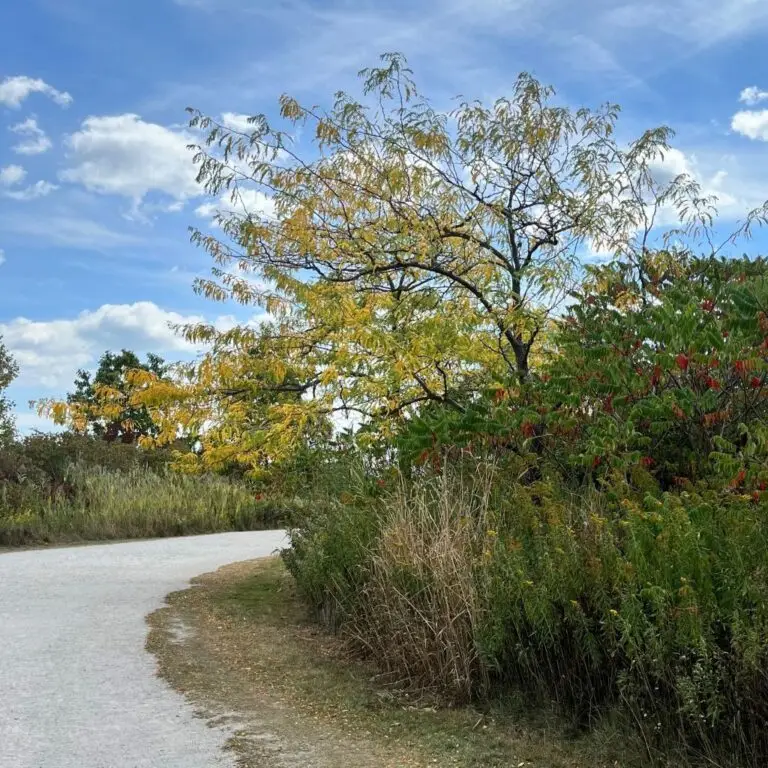
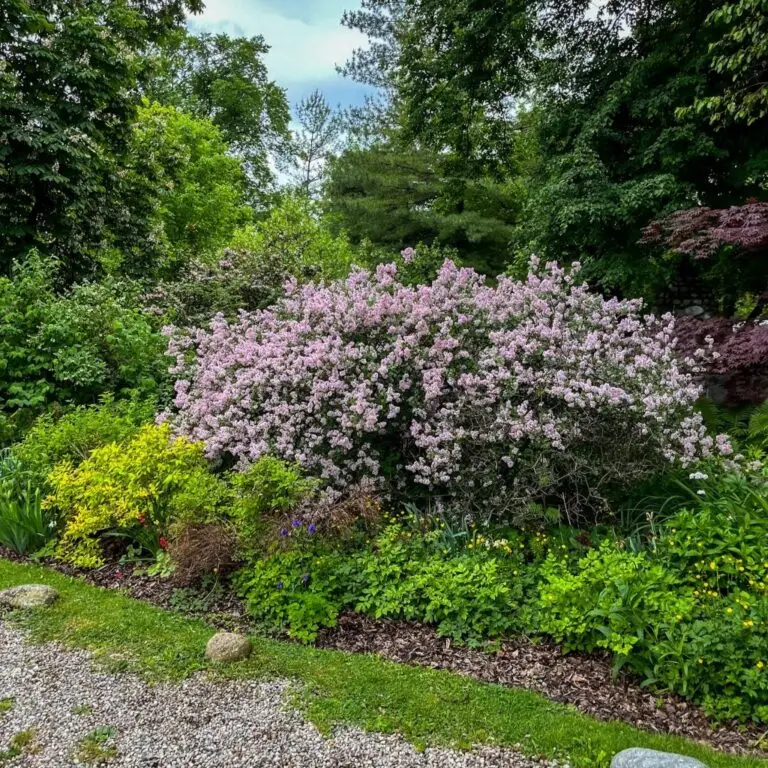
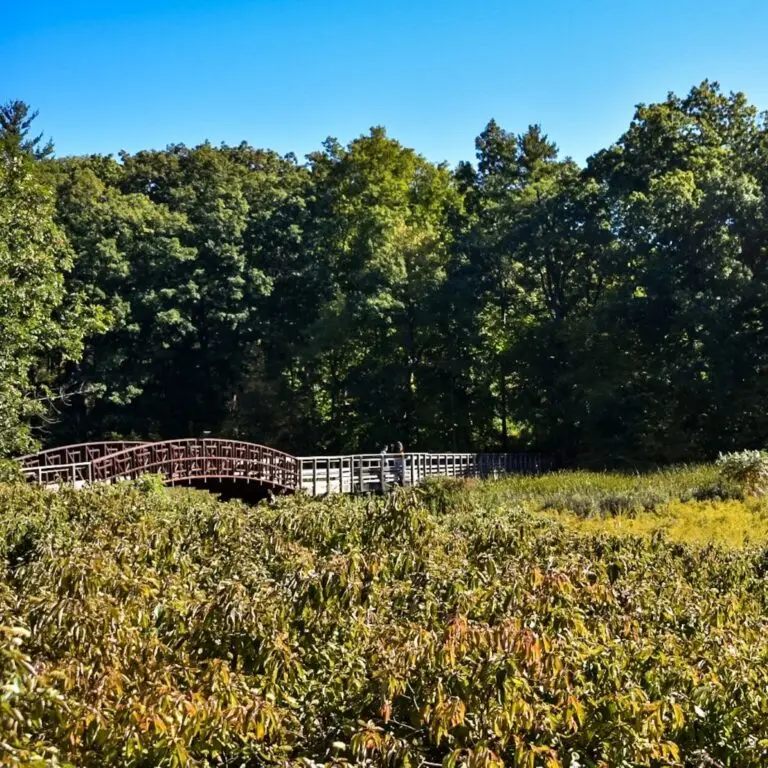
With the trail that you will be going on will have to go past the Humber Pond, walk along the Humber River, see the various gardens within the park and walk inside Humbers’ version of a Carolinian Forest. This trail is more challenging than most other trails featured due to the uneven terrain and its proximity to naturalized water areas.

However, it is also one of the most expansive due to its size and quantity of ecosystems.

Location

History

First opened in 1977, the Humber Arboretum is known throughout the city as a prime example of good conservation practices. (City of Toronto, 2025). The College worked with city agencies to create a natural area that would help make it easier for the college to teach students who took part in various geological, geographical and biological studies (Humber College, 2025). The college wanted to make this space an area where the staff and students of these programs had direct access, control and hands-on opportunities so they wouldn’t have to go off campus. (Humber College, 2025).

The land was granted to the college earlier in when the college was first getting started but was seen merely as “places to grow the college campus“.

As the campus expanded its programs and services further, an opportunity became apparent that the grounds could create a healthy and thriving urban forest area while also using it as an outdoor educational space.

This led to the college also creating a comprehensive policy for staff and students who use the land for their studies, despite the policy – the park itself is open to the public all year round (Humber College, 2025).

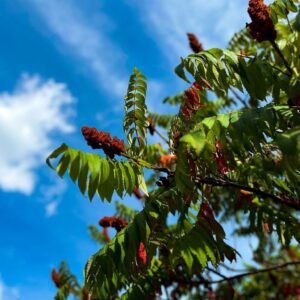
Staghorn Sumac - Rhus typhina
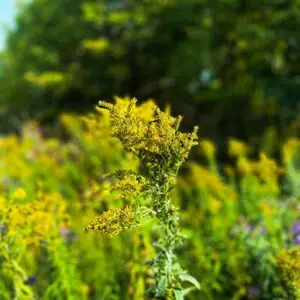
Canada Goldenrod - Solidago canadensis
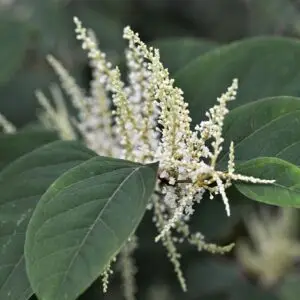
Japanese Knotweed Fallopia - japonica
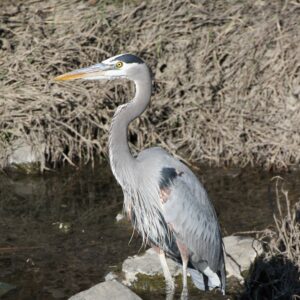
Great Blue Heron – Ardea herodias
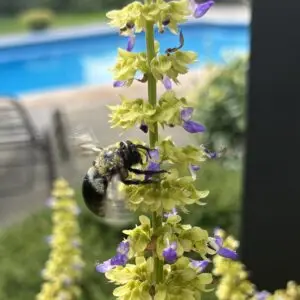
American Bumblebee - Bombus pensylvanicus
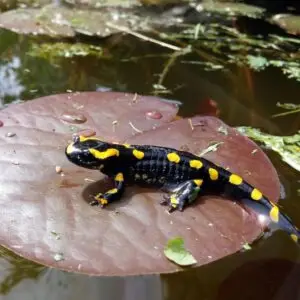
Yellow Spotted Salamander – Ambystoma maculatum
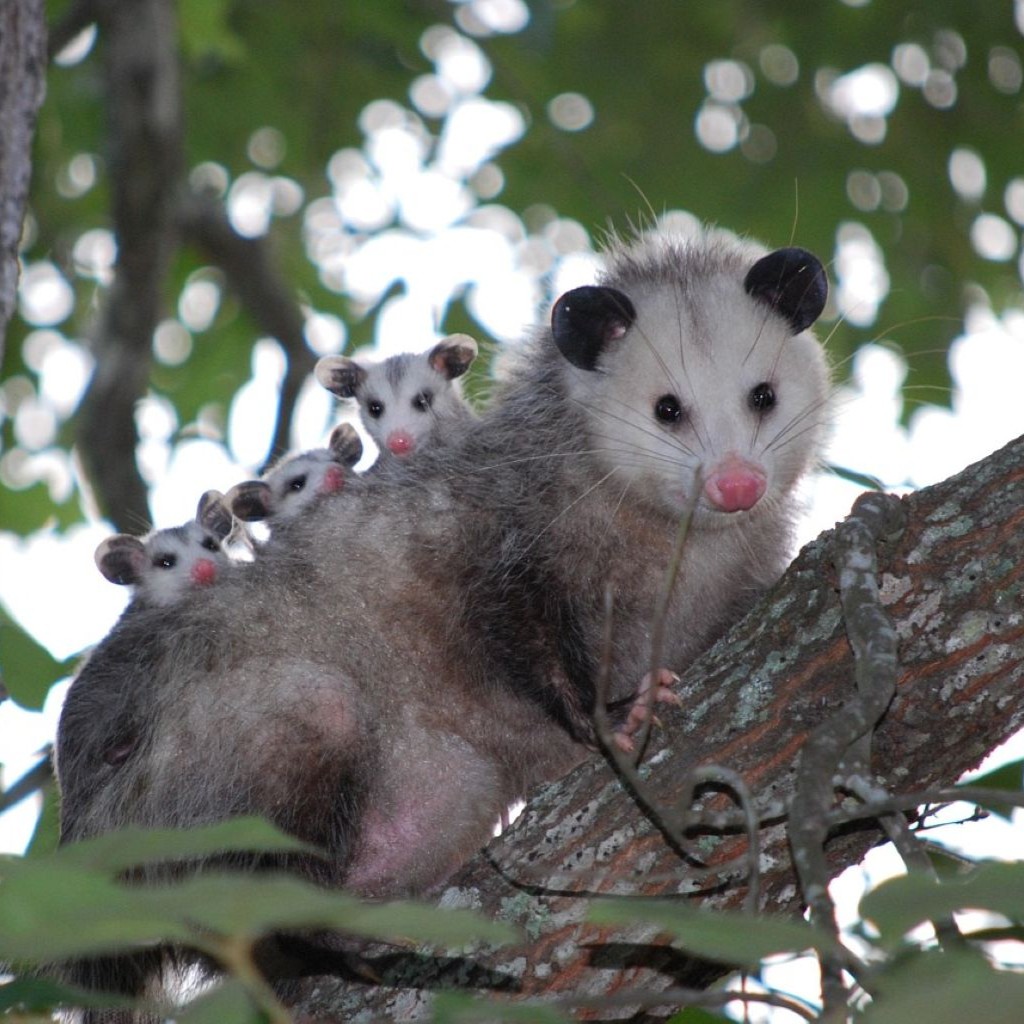
Virginia Opossum – Didelphis virginiana
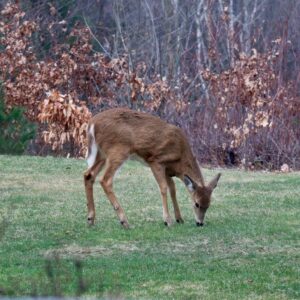
White-Tailed Deer – Odocoileus virginianus

Featured Ecosystems

The Humber Arboretum plays a vital role in the green space of northern Etobicoke. It is one of the few large-scale conservation projects on this side of the City of Toronto. Furthermore, it is the largest conservation project in Etobicoke; 100 acres larger than Coronel Samuel Smith Park on the Lakeshore Campus (Humber College).

As such, this ample space has a wide range of ecosystems and variations between the west and east ends of the park space. Starting at the beginning of the highlighted trail is the Humber Pond which is the Collegemost recent attempt at renaturalization.

The process began in 2019 when the college intended to increase water quality and add further support for the native species in the area. As of 2024, renaturalization has been completed by the college– creating a great spot to catch local duck species, and lots of amphibious species play in the water.

Further into the trail, you will come across a large area of intact Carolinian Forest, where plenty of bee boxes, maple tree harvesting and bird watching occurs.

A large part of the trail will take you along the booming Humber River, a part of the trail that the college admits will never be complete due to its constant battle with invasive species like Phragmites and Japanese Knotweed still found present in certain parts of the waterway.

Citations
Humber College. (2024). The Arboretum. https://humber.ca/arboretum/about.html#:~:text=History,opportunity%20to%20practice%20their%20skills.
Humber College. (2025). The Ecosystems of the Arboretum. https://humber.ca/arboretum/explore/ecosystems.html
City of Toronto. (2025). Humber College Arboretum. https://www.toronto.ca/explore-enjoy/parks-recreation/places-spaces/parks-and-recreation-facilities/location/?id=1955&title=Humber-Arboretum