The Wood Frog is one of the most common sights and sounds in Canadian forests.
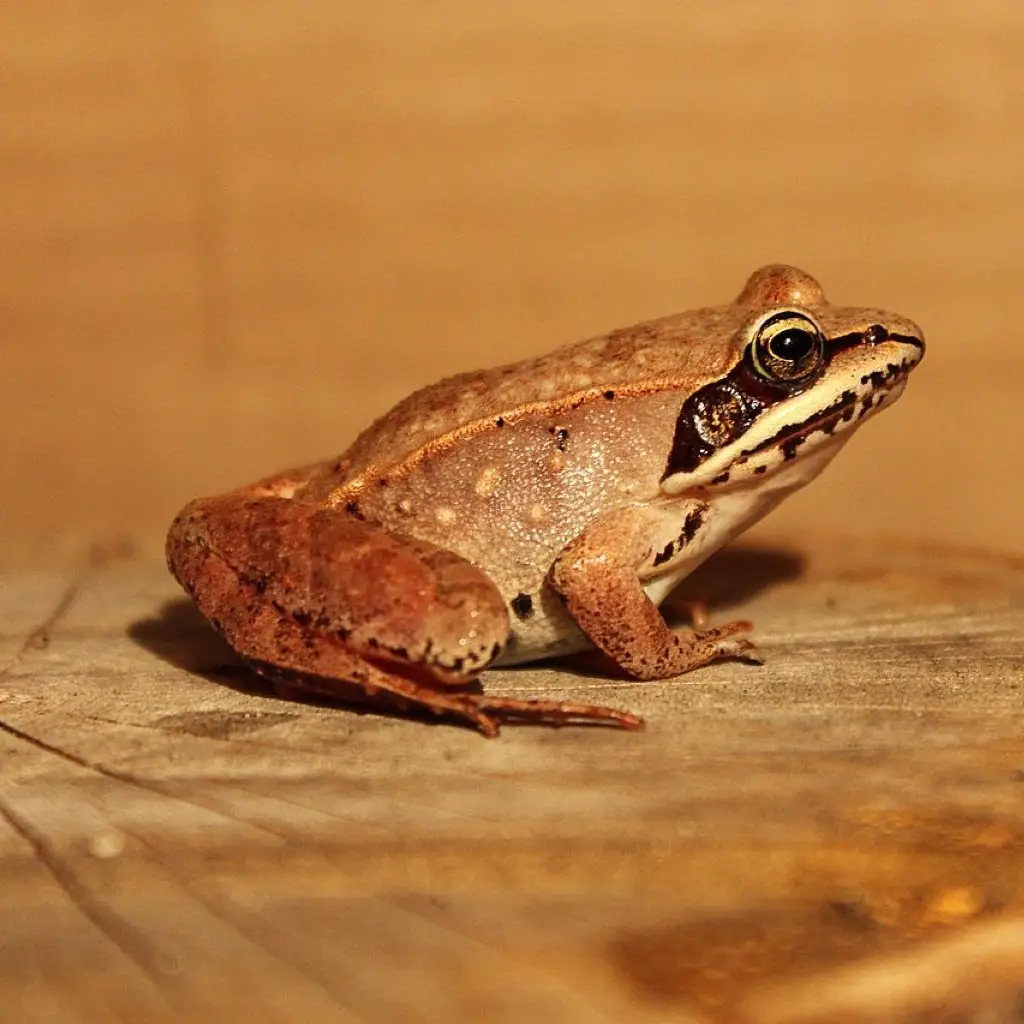
This frog grows to 8 cm in length and has a brownish-grey colouration to it.
Furthermore, the frog has two ridges that run along its back that help give the frog its name because it looks like pieces of wood on its body.
Did you know? Unlike other frogs, the Wood Frog does not create a burrow during the winter. Instead, it finds a comfy leaf or “waiting area” and shuts off its entire body until spring comes again. The frog can do this multiple times during the season as temperatures fluctuate.
In the lead-up to winter, the frog will start to store more and more glucose until it has enough to begin its “shut down” procedure for its body to awaken in the spring.
During the spring, the frogs will digest the glucose they stored in their body and begin the mating season full of energy.
You will often find these frogs in a ball-like structure during the springtime where multiple frogs converge on one another mate with all other frogs involved.
The females can lay 2000 eggs during this season however only 20-30% of the tadpoles make it to adulthood.
Habitat
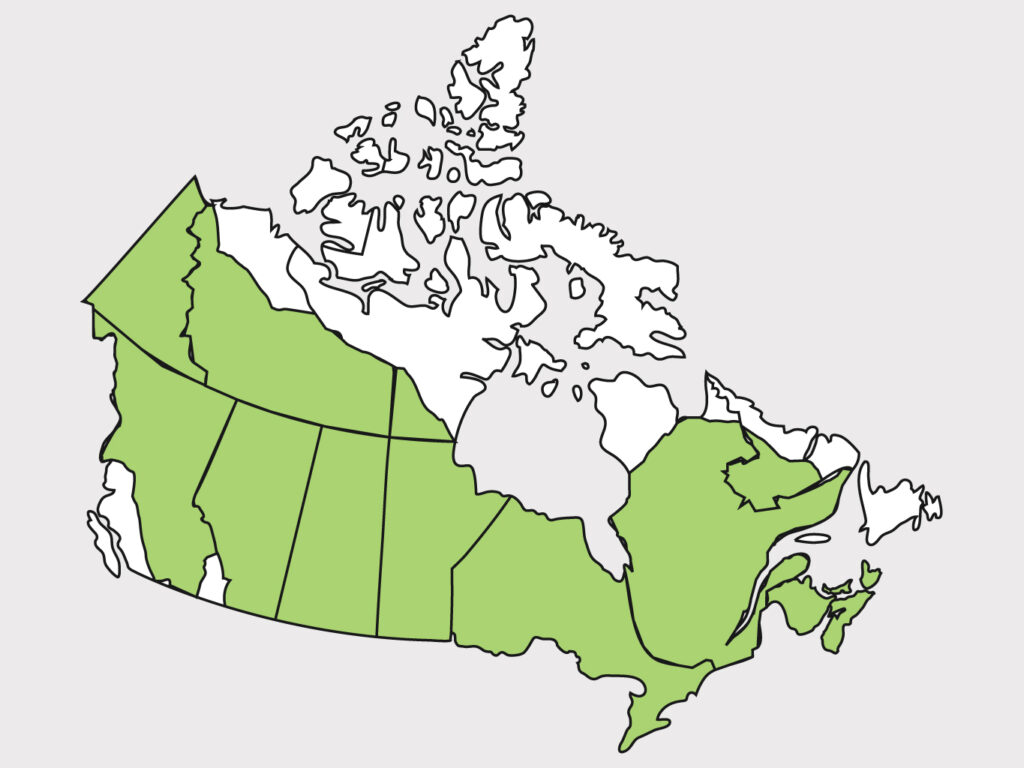
This frog is found in every province in Canada and every territory, however, the populations in Southern Ontario seem to be the most commonly seen.
These frogs are often the “ribbit” sound that you hear when you enter or forest or wetland area.
They are the most commonly heard frog in North America and live mainly on land when they grow up.
They require heavily wooded areas next to watersheds as their lifecycle goes from heavily aquatic to heavily land-based.
Once on land, the Wood Frog will stay there until mating season to bring the eggs into the water.
Found On These ForestQuests
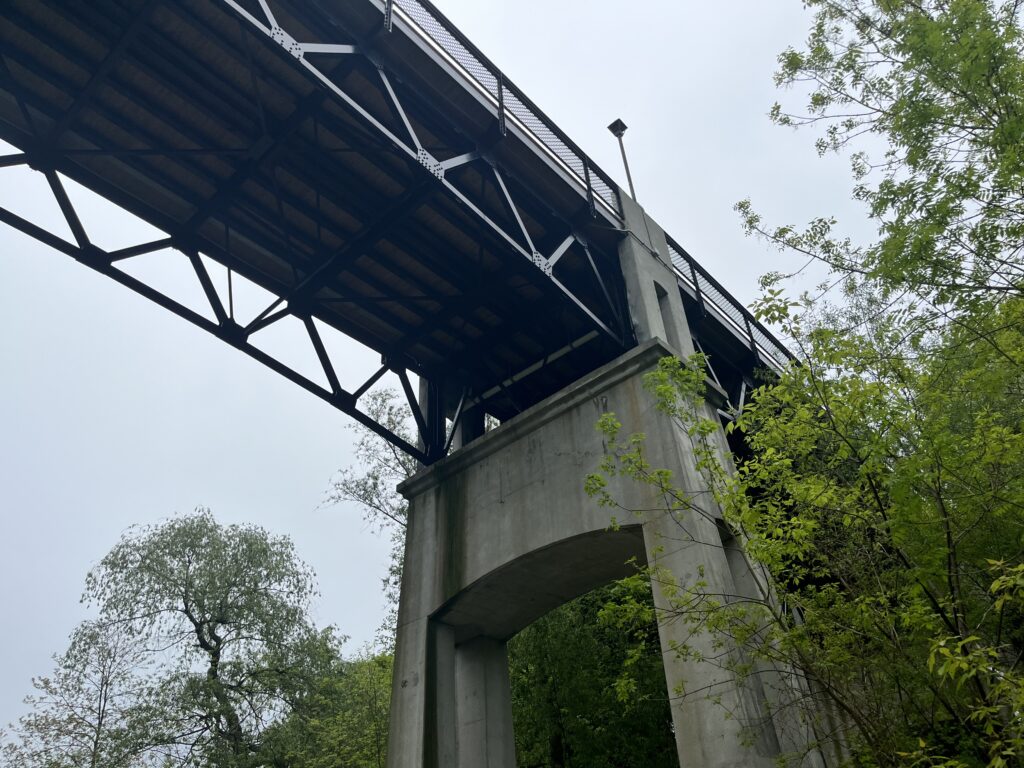
Cedarvale Park
Toronto Islands Lakeshore Trail
Threats
Due to the sheer size and range of this frog, it is listed as the least concerned species.
However, it still has threats such as human interference, climate change and habit loss.
Ontario alone has lost over 40% of its wetland, marsh areas that this frog has called home.
This has caused these frogs to become more noticeable in city settings and in habitats that they usually don’t frequent like meadowlands and rocky areas.


One Response