
Overview
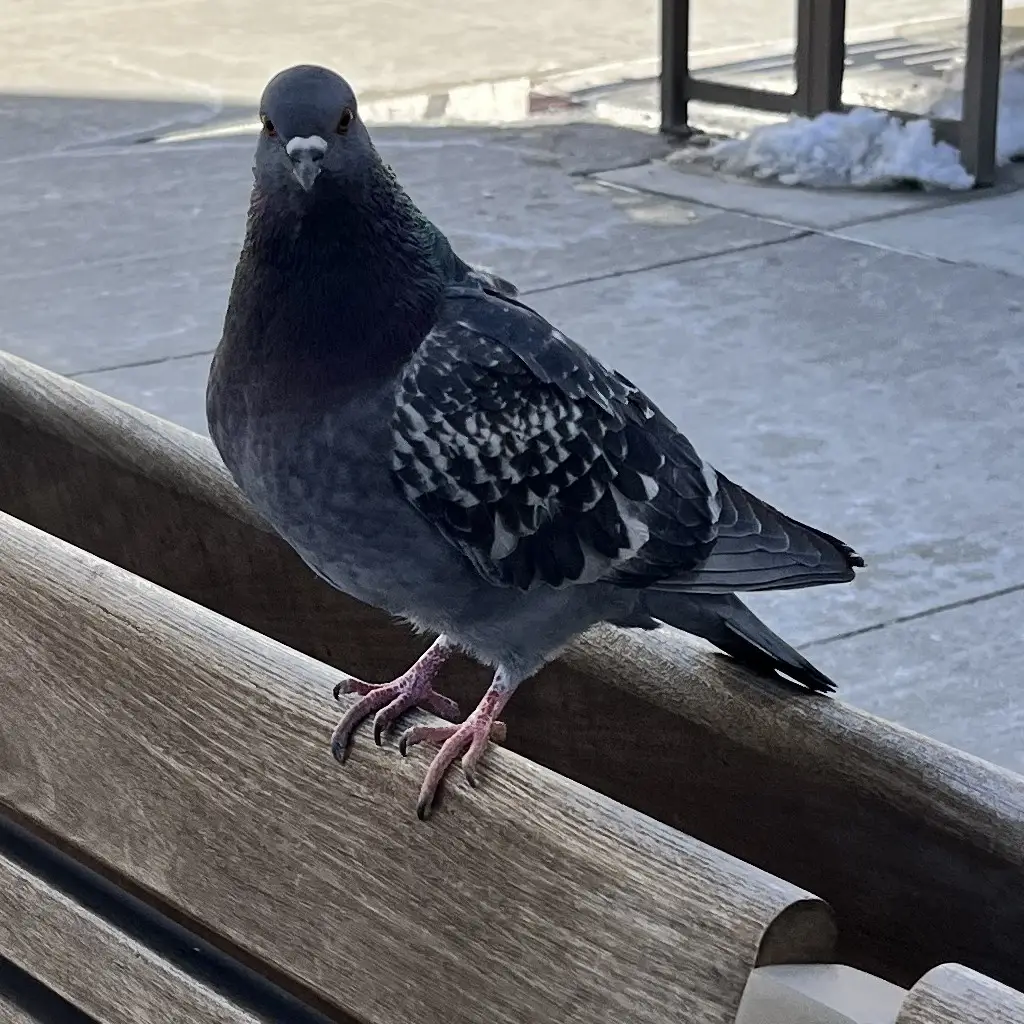
The Rock Pigeon is a sad story about the domestication of an animal and then its eventual loss of use.
Although not an invasive species, the Rock Pigeon is a foreign bird and only appears in big flocks in urban areas across the country.
This is a hardy, stubborn bird that has a thick down that allows it to stay warm even in freezing temperatures.
Rock Pigeons are typically 34 cm and usually have a clutch of about 2 babies during nesting season.
They also have a greyish plumage that often reflects green and red tints in bright sunlight with striking orange eyes.
The Rock Pigeon was used back in colonial times as a carrier and message pigeon and was heavily domesticated as a pets.
The pigeons we see outside now are the offspring of those domesticated birds that came over with the British.
Did you know? Despite these pigeons not being domesticated now, they still show signs of their ancestorial past being able to understand directions made by humans and even identifying humans who would give them food.
The Rock Pigeon is an intelligent bird that can recognize patterns, use tools and even identify friendly faces among humans.
However, Rock Pigeons also create problems for local bird populations as they do not do well when they spot other birds.
If a pigeon is overly hungry they have even been known to feast on local bird populations if they cannot find other food sources.
Habitat
The Rock Pigeon is native to the UK and Ireland, as its range circles the islands and can be found from Brighton to Inverness, Scotland.
Unfortunately, due to the domestication of these birds’ ancestors, they were brought far and wide across the globe to many different continents.
This includes Canada, the US, Australia, Hong Kong and many other colonies that the British settled.
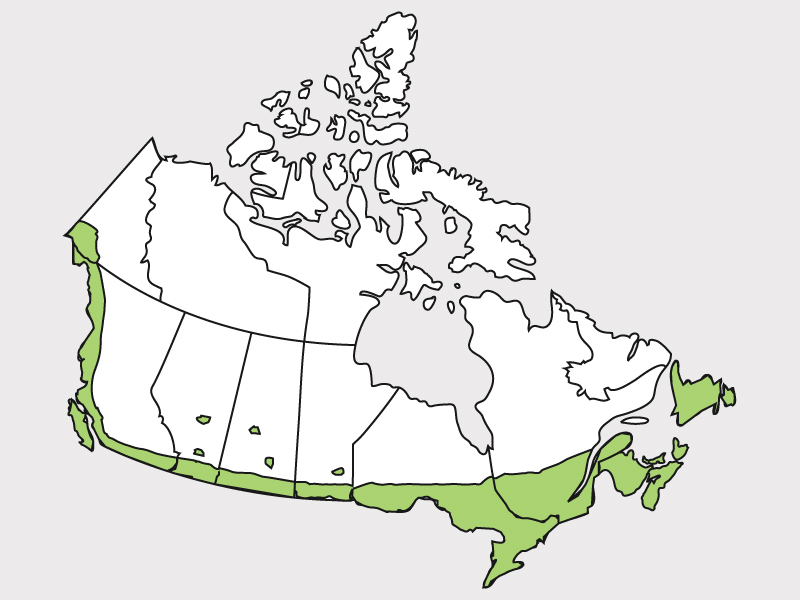
Due to this bird’s high tolerance to stress and changes, these populations- once established- have been able to thrive no matter the climate that they are brought to.
Found On this ForestQuest

What to do if you see a Rock Pigeon
Here in Toronto, there are two distinct communities of Rock Pigeon – a domesticated flock and a feral flock.
The domesticated flock can be identified by the bands the city has put around their legs.
Meanwhile, the feral flock are far greater in number and can be found throughout the city’s urban and park areas.
Anywhere that the pigeon can find food or people, that is where the pigeons will go and that is why they are so widespread throughout the city.
You must be careful around Pigeon droppings as they may contain harmful virus’ that can be transmitted to humans via the air.
If a pigeon flock is causing harm to the surrounding area, you can contact the City of Toronto where they will go through a procedure to relocate the birds.
Sources:
https://www.canada.ca/en/health-canada/services/pest-control-tips/pigeons.html
https://www.rspb.org.uk/birds-and-wildlife/rock-dove-feral-pigeon
https://a100.gov.bc.ca/pub/eswp/speciesSummary.do?id=18807
https://www.nationalgeographic.com/animals/birds/facts/rock-pigeon
https://www.toronto.ca/community-people/animals-pets/pets-in-the-city/pigeons/