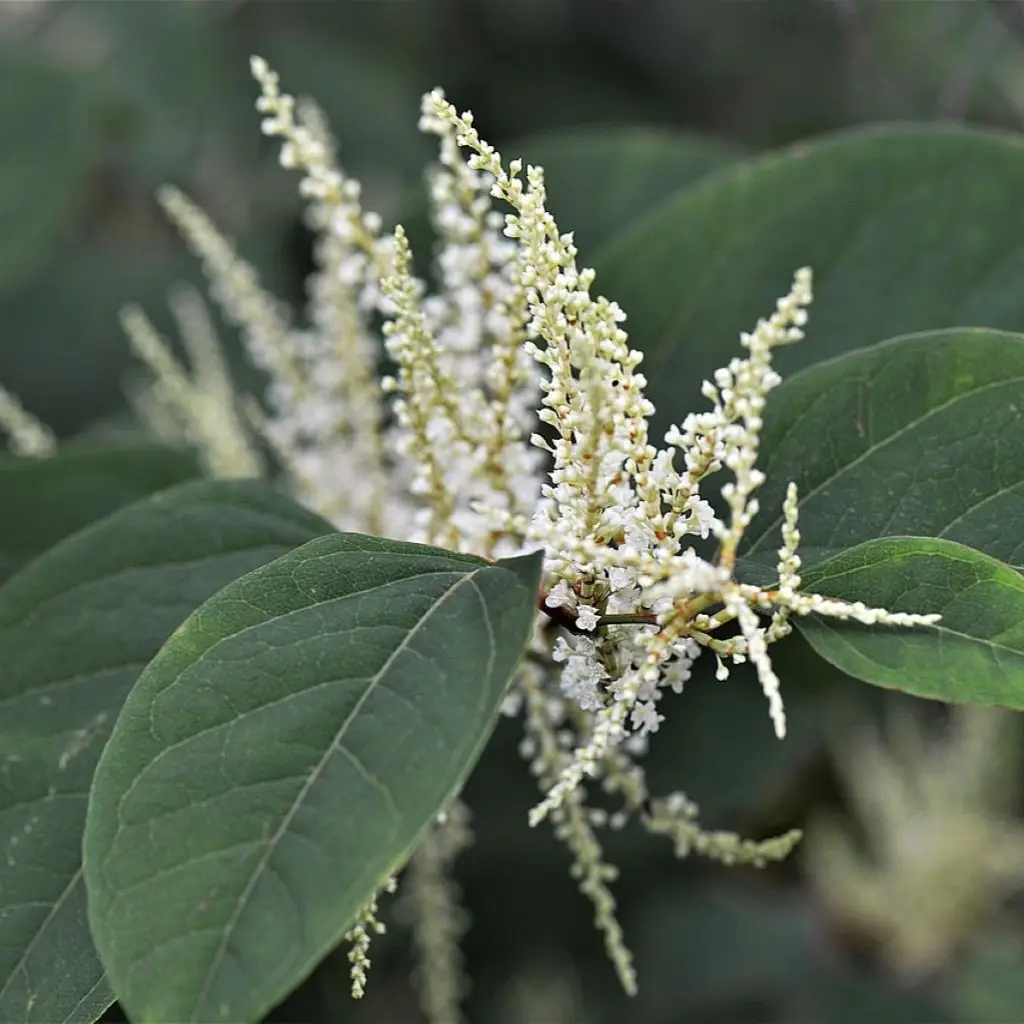
Walking along riverfronts, in public gardens and on trail paths you may notice a hulking bush with pretty white flowers covering it.
Although this plant may be pretty, be warned that this plant is an invasive species.
This is due to its ability to grow rapidly once introduced into an ecosystem.
It also hogs nutrients in our soil, leaving the areas around knotweeds dead due to the nutrients they need to grow.
Furthermore, due to its plant structure as a rhizome plant- it is difficult to pull out the entire plant which makes it harder to remove as well.
It is impossible to dispose of the entire plant as it tends to grow more rhizomes away from the parent plant, it needs multiple days to destroy it.
Did you know?: This plant’s root structure can spread as far as 10m!
Japanese Knotweed is known to be a big plant that looks like bamboo shoots coming out of the ground and bunching together to create its bush appearance.
It can reach heights between 3-10ft depending on soil conditions.
Like most knotweeds, it flowers in mid-July to September where the entire bush is covered in white/greenish flowers.
Habitat
This plant is native to eastern Asia and found along rivers and paths.
Due to the soil composition being harder there, these plants do not cause erosion in Eastern Asia as they do here.
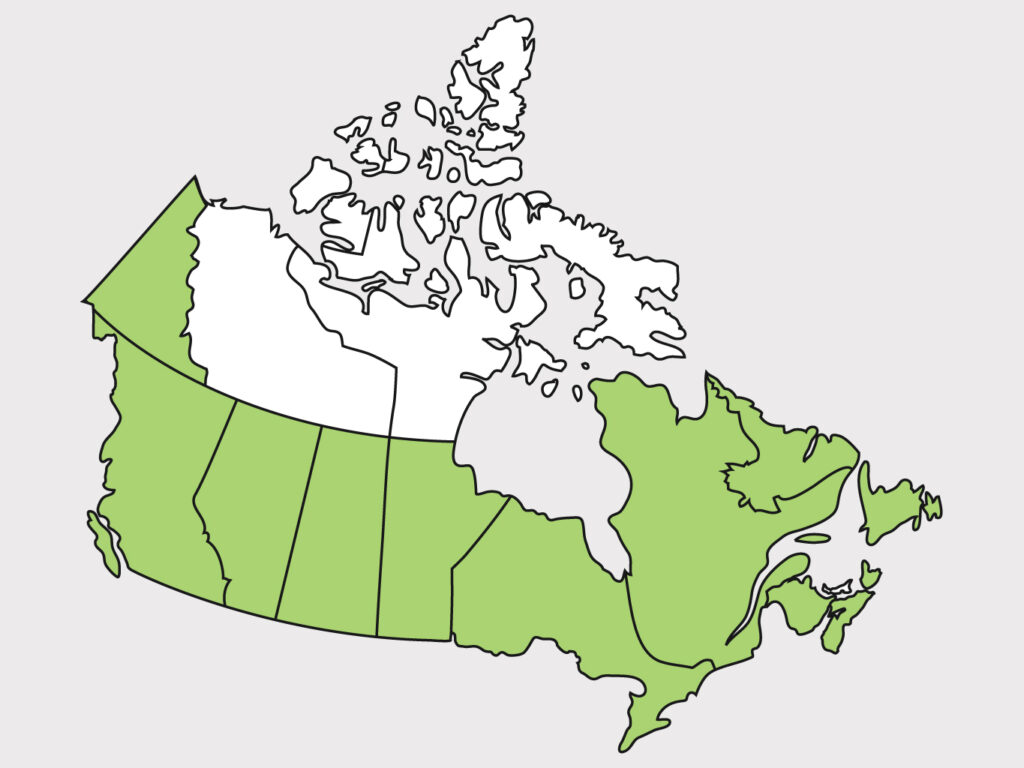
In the early 20th century, this plant was introduced to all of Canada as an ornamental plant.
The British found these plants attractive alternatives due to their flowering nature.
It has now been found in every province.
Found On These ForestQuests
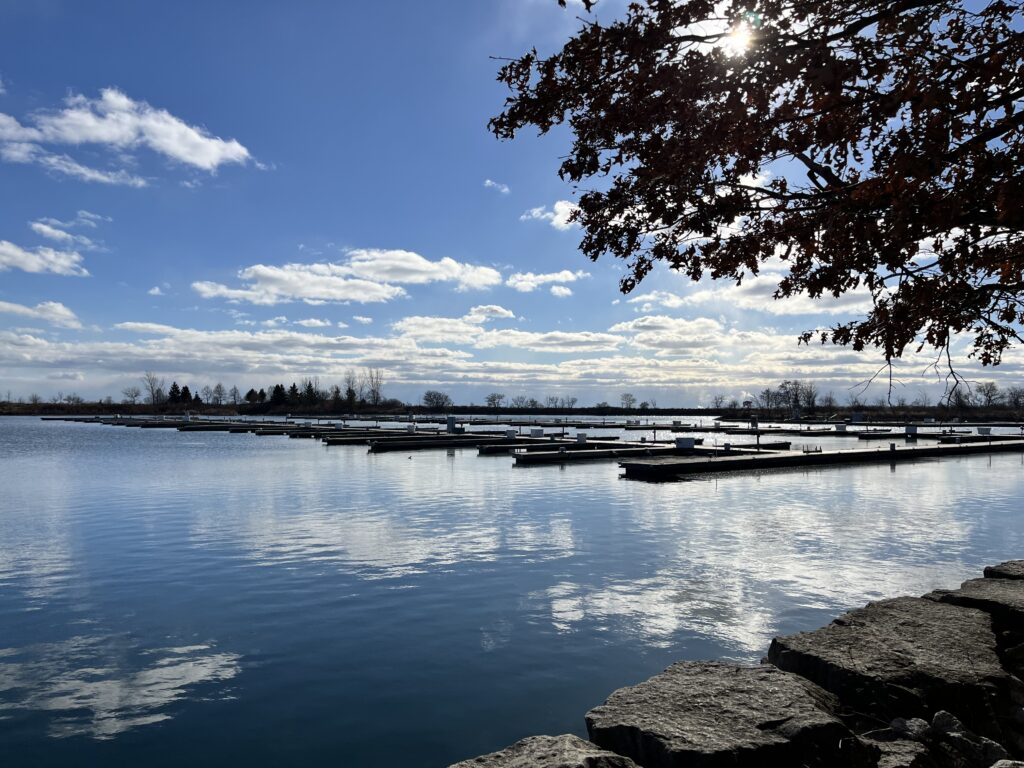
Colonel Samuel Smith Park
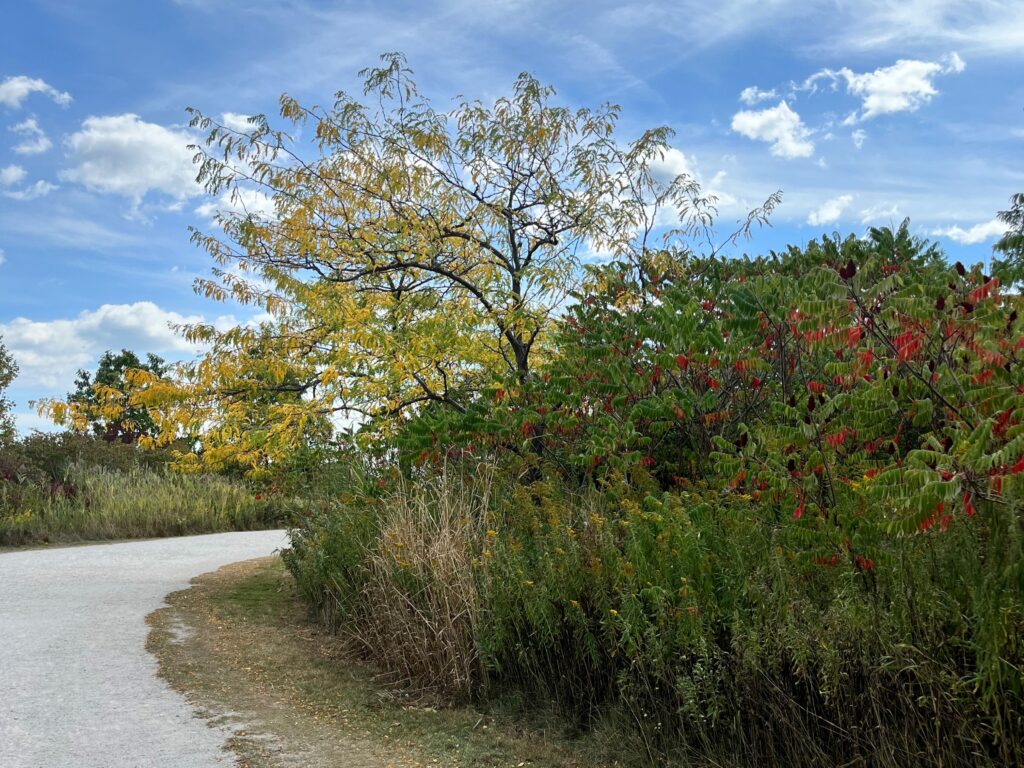
Humber Arboretum
What to do if you spot Japanese Knotweed
In Ontario, the problem of Japanese Knotweed is serious, as is finding other knotweed species.
It is important to know it is illegal to sell, transport or plant knotweeds in Ontario.
Finding them in a public setting requires anyone to report their appearance at the Invasive Species Hotline – 1 800 563 7711.
From there, they will be dealt with professionally through chemical treatment or having to dig up the entire sight surrounding the spotting in a 10m radius.