Walking along a forest path, you see something scurry near your feet. But just as quickly as you saw it, the quicker it seems to have gotten away.
This is the usual interaction for people who are walking forest paths and manage to interact with Salamanders of any type.
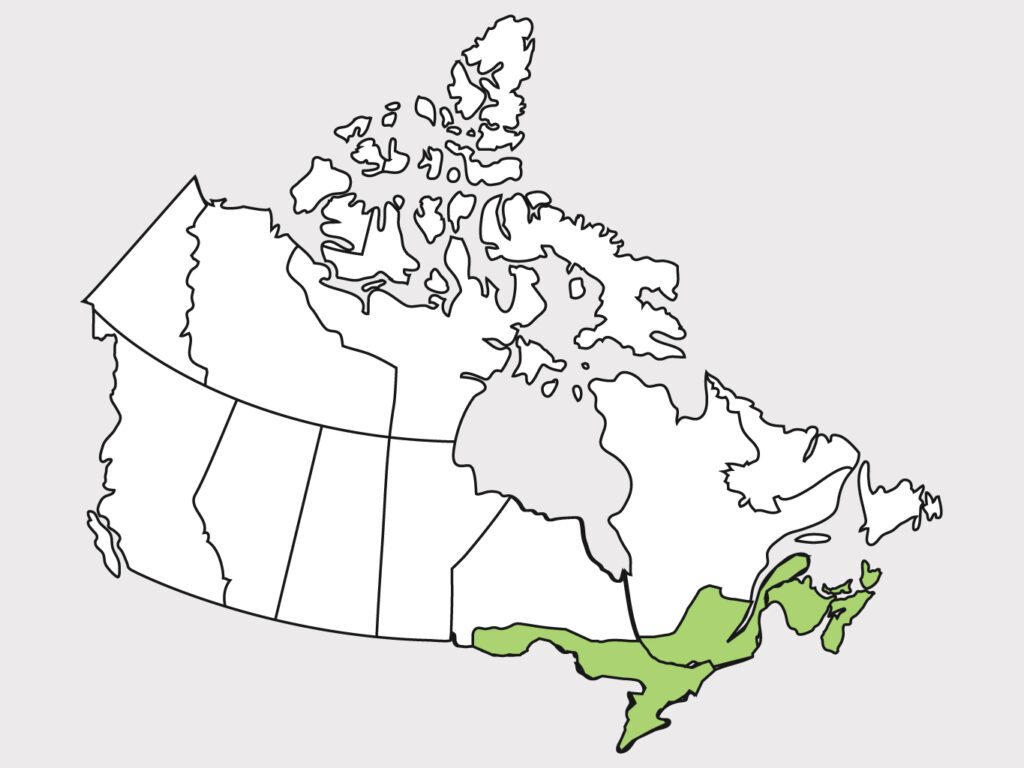
The Yellow Spotted Salamander is one of the most common ones to find however due to their broad range in Eastern Canada.
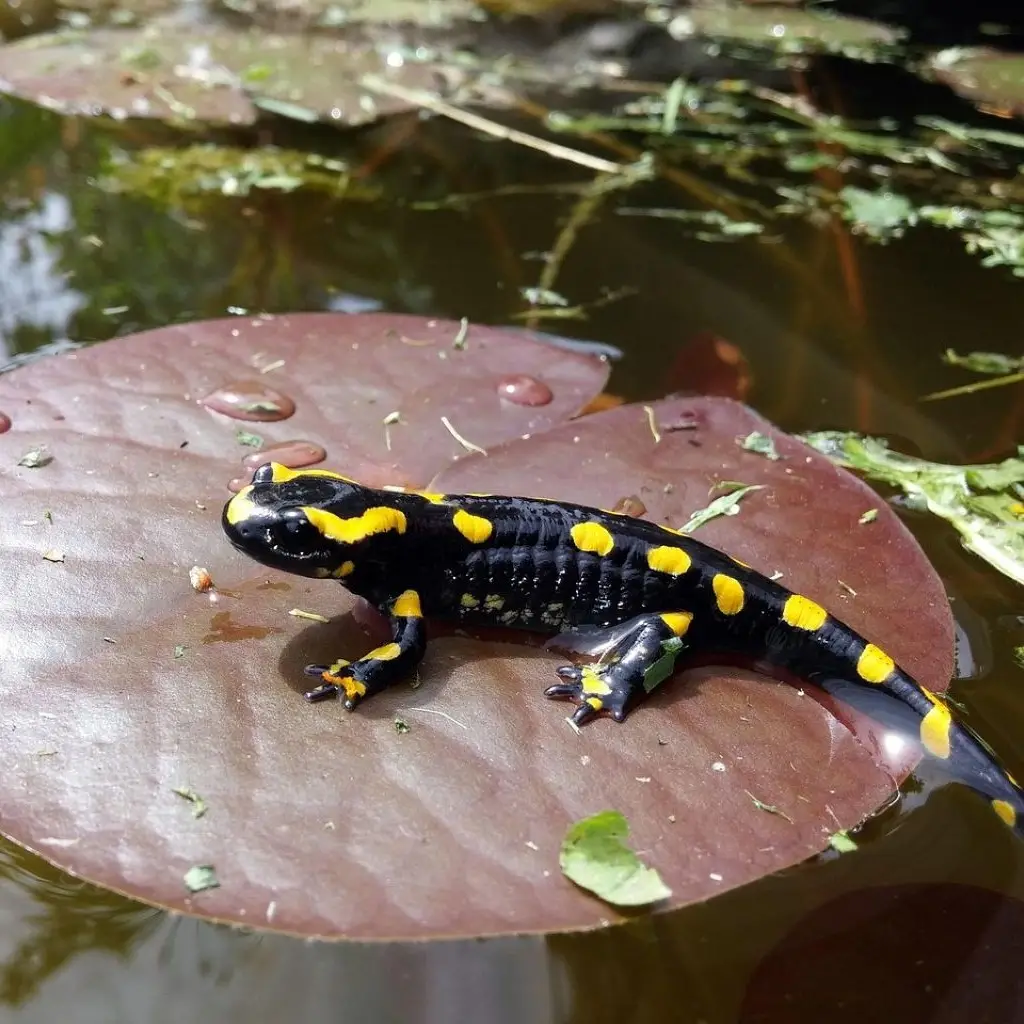
Although considered one of the larger Salamanders, this little guy only reaches about 7 inches max in its 20-year lifespan.
These shy little guys are noticeable thanks to the yellow spots on their dark/black bodies, however, they usually look like little “yellow streaks” as they run across the forest floor.
It’s probably best NOT TO handle these things as they can secrete a toxic milk-like substance from their glands when frightened.
Did you know?Like most amphibians, Salamanders breathe through their skin, and so – any temperature change is drastic to them.
During the winter, they stay in rotten logs, underground and rotting tree material to stay warm and away from the frost line.
This is because they are highly affected by heat and cold, and must remain in a cool, wet environment to thrive.
Habitat
This salamander can be found from Kenora to the west to Sydney, Nova Scotia in the east.
They thrive in environments where forest cover is dense and allows the forest floor to remain moist even in the dead of summer.
You can find them usually under dense foliage or close to water due to their need to spawn in the water.
Their young are also born aquatic and takes a few weeks before they fully develop the ability to walk on land.
Item #1
Humber Arboretum
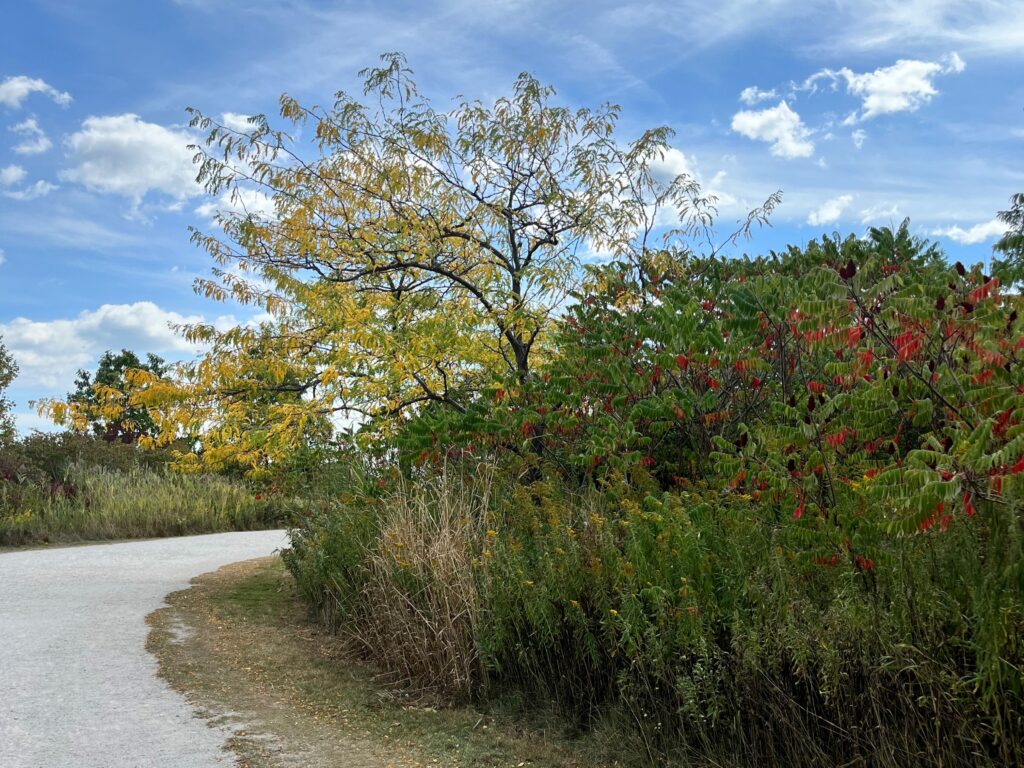
Toronto Islands Lakeshore Trail
Threats
Luckily, this species is considered stable by the Canadian Government and conservation authorities.
The main threats to the Yellow Spotted Salamander are mainly human-caused.
Due to needing very specific temperatures and weather to thrive, the continual shifts caused by climate change have a big impact on Salamander populations.
If things become too hot or cold in their forest settings, the young cannot develop and the adults are unable to move.
Furthermore, the pet trade has become prolific in selling these amphibians as pets despite the toxic glands.
Salamanders play a pivotal role in removing pests from the forest floor like millipedes and mites and so removing them only makes those populations grow further.