
Overview
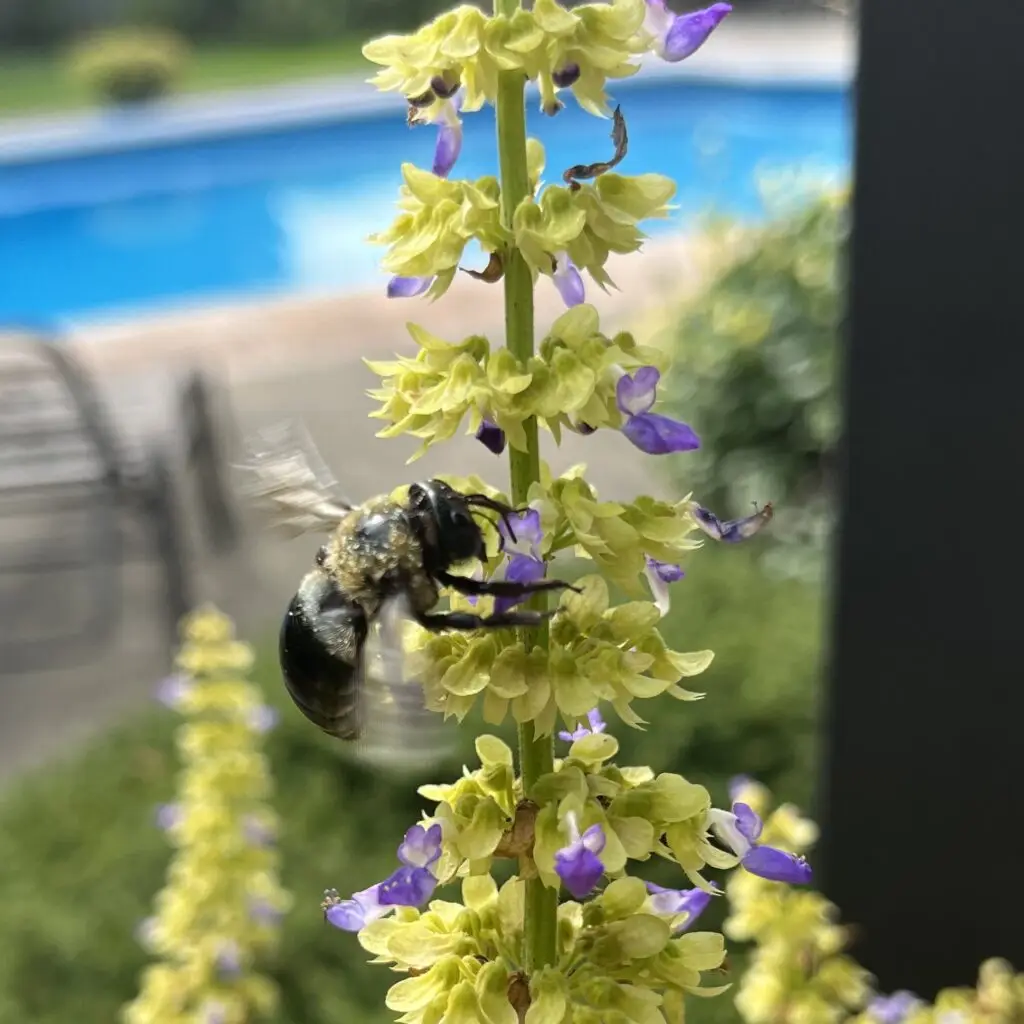
Buzzing around and pollinating our flowers is an easily recognizable friend- the American Bumblebee.
This Bumblebee is considered to be of medium size and is recognizable thanks to its dark wings, large head and black/yellow markings on its body.
Did you Know? It is also very fuzzy– which has its uses in picking up additional pollen and seeds and spreading them around when they fly.
The American Bumblebee is a critical pollinator in the US and Southern Ontario.
Using its long proboscis, the American Bumblebee can retrieve pollen from most plants and can even reach deeper than most bees to do so.
This species will use rotting logs and compost areas as their dens during the winter months and live on an annual cycle.
This means that the bumblebee that you see one year will not be alive the following.
Habitat
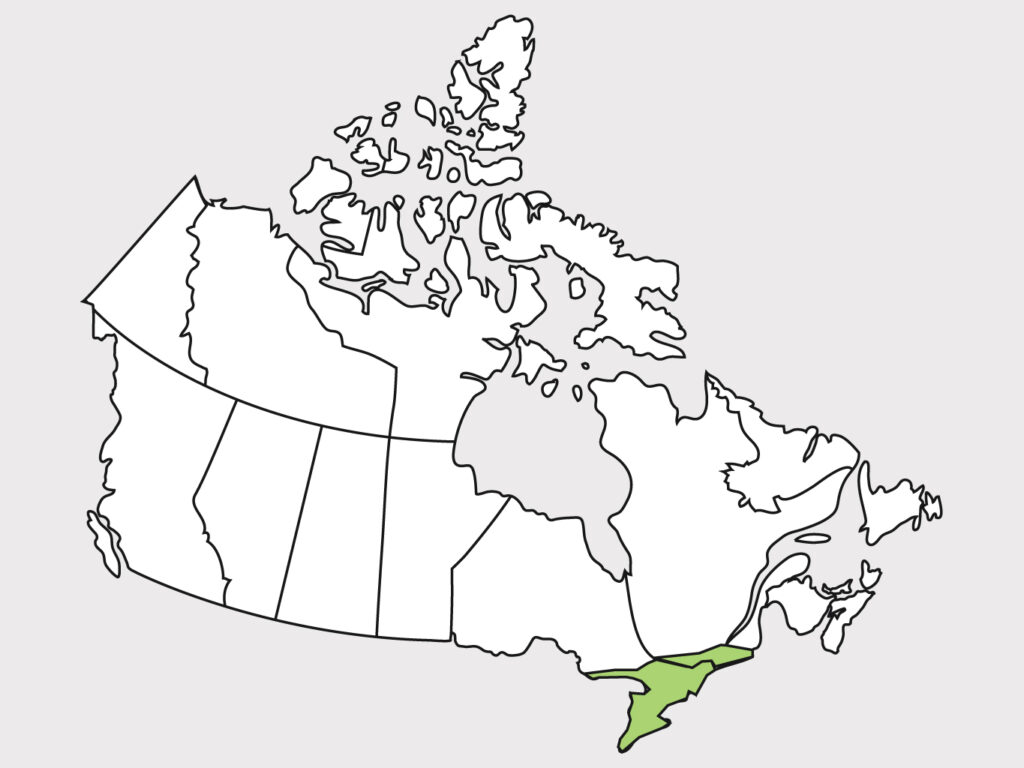
The American Honey Bee can be found throughout the US and in only two provinces in Canada.
In Southern Ontario and Quebec, these two places are the northernmost reaches of this bee’s ecological range.
The bee does not do well with extremely cold temperatures so it does not survive anywhere north of Sudbury.
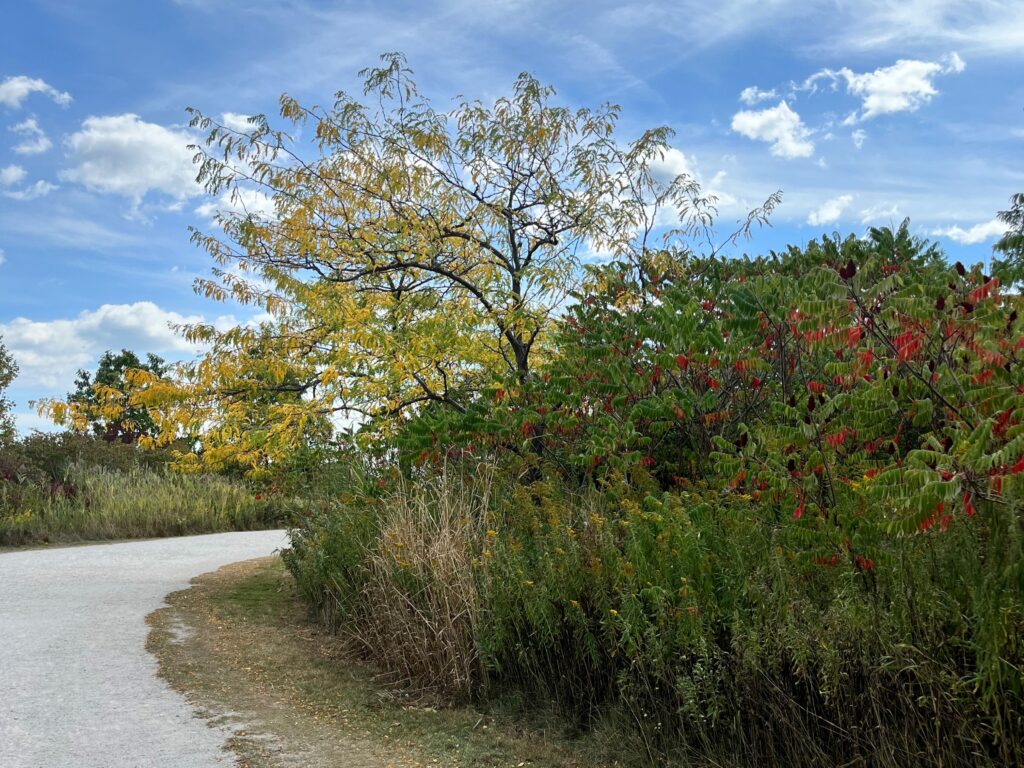
You can find this bee in a variety of habitats such as forests, farmlands, gardens and mixed lowland areas. Anywhere where there is a flower in its natural range, the more likely you are to see this bumblebee.
.
Found On This ForestQuest
Threats
Despite its popularity and prevalence in our culture, the American Bumble Bee is listed by the Canadian Government as a species of special concern.
This bumblebee is currently going through severe depopulation, and this is due to many human-caused factors.
The American Bumblebee is highly affected by pesticide use, as used in farmlands and decorative garden spaces.
It is also very susceptible to pollution and habitat loss due to the desirability to develop the lands it inhabits.
Furthermore, scientists have found out that this certain kind of bee has very low genetic diversity in its gene pool, which causes the bee to have infertility.
Finally, these bees are susceptible to mites that suck out the nutrients from these bees, and they eventually die.
Citations:
https://www.toronto.ca/services-payments/water-environment/live-green-toronto/help-native-bees-pollinators/
https://www.toronto.ca/services-payments/water-environment/live-green-toronto/help-native-bees-pollinators/
https://www.toronto.ca/wp-content/uploads/2017/08/8eb7-Biodiversity-BeesBook-Division-Planning-And-Development.pdf
https://species-registry.az.ec.gc.ca/index-en.html#/species/1364-1029
https://www.ontario.ca/page/american-bumble-bee
https://www.natureconservancy.ca/en/what-we-do/resource-centre/featured-species/insects-and-spiders/american-bumble-bee.html
https://www.fws.gov/species/american-bumble-bee-bombus-pensylvanicus